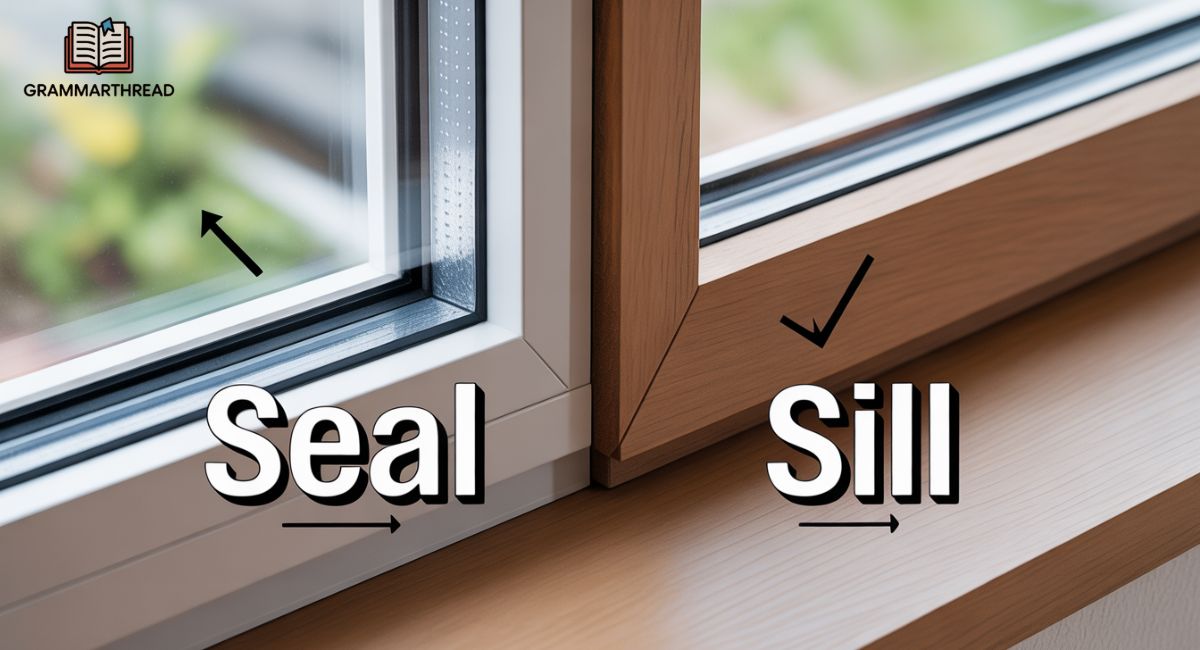
When you’re checking your windows for drafts or damage, it’s easy to mix up what you’re actually looking at. The window seal or sill sounds similar, but each part has a completely different job. One keeps outside air and moisture from sneaking in, while the other supports the frame and guides water away from your home. Knowing which is which can help you spot problems early, avoid unnecessary repairs, and keep your energy bills in control.
In this guide, you’ll get a clear look at how seals and sills work, how to tell them apart, and why they matter for comfort and maintenance. If you’ve ever wondered why your window fogs up, leaks, or feels drafty, you’ll find the answers here in a simple and practical way.
Why People Often Confuse Window Seals and Sills
It’s a common mix-up, and honestly, it makes sense. These two components are both essential to your window system and deal with protection and structure, but they serve completely different roles and sit in different spots.
Your window seal acts like a protective shield that blocks drafts and moisture from sneaking into your home. On the other hand, your window sill serves as the foundational ledge that bears weight and directs rainwater away from your walls.
Here’s a simple comparison to help you see the key differences:
| Feature | Window Seal | Window Sill |
| Where It’s Located | Along the glass edges and frame connections | The horizontal base at the bottom of your window |
| What It Does | Stops air and water from getting inside | Holds up the window and moves water outward |
| What It’s Made Of | Rubber, silicone, or foam materials | Wood, stone, metal, or PVC |
| Typical Problems | Shrinking, condensation buildup, drafts | Wood rot, mold growth, rust damage |
| How to Maintain It | Swap it out when it hardens or splits | Wipe down regularly, refresh paint, and reseal as needed |
What Is a Window Seal?
What It Is and Why It Matters
A window seal is the protective barrier that creates an airtight and waterproof boundary between glass panes or along the window frame edges. It’s designed to block outdoor elements like chilly air, moisture, and unwanted noise from entering your space while keeping your home cozy and energy-efficient.
When you have double or triple-pane windows, the seal traps special gases like argon or krypton between the layers. These gases work as insulators, boosting your window’s ability to keep heat in during winter and out during summer.
“Even one damaged seal can drive up your heating and cooling expenses by as much as 20%.”, Energy Saving Trust
Different Types of Window Seals
Your window’s seal type depends on factors like local weather conditions, building design, and how the window operates.
- Compression seals: Crafted from rubber or foam materials, these squeeze tight when you close the window to form a secure barrier.
- Magnetic seals: Found in newer window models, they use magnets for precise closing and better insulation performance.
- Brush seals: Perfect for windows that move often, like sliders. They keep out dust and light breezes effectively.
- Silicone or rubber gaskets: Popular in energy-saving double-glazed units because they’re flexible and built to last.
How Window Seals Safeguard Your Living Space
A well-functioning window seal delivers more advantages than you might expect:
- Eliminates drafts: Keeps unwanted hot or cold air from sneaking indoors.
- Minimizes condensation: Limits moisture buildup between glass layers.
- Boosts energy performance: Helps maintain indoor temperatures without overworking your heating and cooling systems.
- Cuts down noise: Quality seals also dampen outside sounds for a quieter home environment.
As an example, a family in Chicago swapped out their deteriorated window seals in 2024 and saw their winter heating costs drop by 18%.
Warning Signs Your Window Seal Has Failed
Not sure if your seal is compromised? Watch out for these common indicators:
- Cloudy glass or water droplets trapped between panes
- Cold or warm air leaking through even when windows are shut tight
- Paint that’s bubbling or water marks around the window area
- Obvious splits or shrinking in the rubber seal material
When a seal fails completely, replacing the entire insulated glass unit (IGU) is typically the better solution than attempting to reseal the edges.
Care and Repair Guidelines
Taking care of your window seals properly helps them last longer:
- Wipe down frames using gentle soap and warm water on a regular basis.
- Stay away from strong cleaners that can make rubber brittle and dried out.
- Check for damage or openings at least once a year.
- Apply silicone-based lubricant to maintain seal flexibility.
- Patch up small gaps with outdoor-rated caulk if the wear is minimal.
If you spot fog or moisture inside your double-paned windows, that’s your cue to replace the glass unit itself rather than just the seal.
What Is a Window Sill?
What It Is and Where You’ll Find It
A window sill is the flat horizontal surface that sits at the base of your window frame. It serves as structural support for the window assembly and channels rainwater away from your exterior walls.
Outside sills angle slightly downward to push water off, while inside sills stay level and add a decorative element to your room.
Here’s the simple breakdown:
- Exterior sills = protection from weather damage.
- Interior sills = style and visual appeal.
Different Kinds of Window Sills
The material and style of your sill varies based on where it’s located and your home’s architectural design:
- Wood sills: Classic appearance with a cozy feel, though they require consistent sealing to stay protected.
- Stone or marble sills: Sophisticated look that lasts for decades and handles moisture exceptionally well.
- Metal sills: Typically made from aluminum or stainless steel, common in contemporary or commercial structures.
- PVC or composite sills: Budget-friendly option that holds up well and needs minimal upkeep.
Why Your Sill Is More Important Than You Think
A window sill does much more than just look nice:
- Provides structural stability: Keeps the window frame firmly in place.
- Manages water flow: Guides rain and melting snow away from your walls to stop leaks.
- Enhances energy savings: Teams up with your window seal to close off air leaks.
- Improves interior design: Creates dimension and a polished look inside your home.
Quick Fact: Poor sill installation ranks among the leading causes of water damage in houses that are more than a decade old.
Warning Signs Your Sill Is Deteriorating
Letting a damaged sill go unaddressed can result in costly fixes down the road. Look out for:
- Wood that feels spongy or shows signs of decay (especially in vintage homes)
- Splitting or bending in stone or metal materials
- Dark spots from mold or mildew forming in the corners
- Flaking paint and damp patches on the wall below your windows
Keeping Your Window Sill in Good Shape
Regular care can save you from major headaches:
- Wipe away dirt and buildup once a month.
- Refresh wooden sills with outdoor-quality paint every couple of years.
- Look for splits or openings and fill them with weather-resistant caulk.
- Make sure the sloped angle is working properly so water doesn’t pool up.
Expert Advice: Test wooden sills with a moisture meter once a year to catch rot before it spreads.
Window Seal vs. Window Sill: What Sets Them Apart
Now that we’ve covered each component individually, let’s put them side by side so you can clearly see how a window seal and window sill differ in purpose, placement, and function. Understanding these distinctions helps you identify problems faster and know exactly what needs attention when issues arise.
| Aspect | Window Seal | Window Sill |
| Primary Function | Creates an airtight barrier to block drafts, moisture, and noise | Provides structural support and directs water away from walls |
| Where It’s Positioned | Around glass edges, between panes, or along frame joints | At the bottom horizontal base of the window frame |
| Common Materials | Rubber, silicone, foam, or specialized gaskets | Wood, stone, marble, metal, PVC, or composite |
| What It Protects Against | Air leaks, condensation buildup, energy loss, outside noise | Water infiltration, wall damage, structural instability |
| Typical Issues | Cracking, shrinking, fogging between panes, drafts | Rotting wood, splitting, mold growth, paint deterioration |
| How Often to Maintain | Inspect yearly; replace when damaged or hardened | Clean monthly; repaint or reseal every few years |
| Lifespan | 10 to 20 years depending on quality and climate | 20 to 50+ years based on material and care |
| Replacement Cost | $100 to $400 per window (seal or IGU replacement) | $150 to $500+ depending on material and complexity |
The Bottom Line: Your window seal keeps the elements out and your energy bills down, while your window sill bears the weight and shields your walls from water damage. Both work together to keep your windows functioning properly, but they tackle completely different jobs.
Why Context Matters: Seal or Sill in Everyday Use
It happens all the time, homeowners ask their contractor to fix a “seal” when the real problem is with the “sill,” or the other way around.
Here’s an easy way to keep them straight:
The seal blocks out the weather, the sill holds up the window.
A seal is about protection, it prevents air and moisture from getting inside. A sill is about support, it carries weight and moves water away from your home.
Real-World Example: Back in 2023, a homeowner in Boston spent money replacing every “window sill” because they assumed that’s what was causing cold drafts. The problem didn’t go away until a professional inspector found damaged seals along the glass edges. Once those seals were properly replaced, the drafts stopped completely and their heating costs dropped by 22%.
Materials That Maximize Durability
The material you select plays a huge role in how long your window seal and sill will hold up against wear and weather.
Top Material Choices for Window Seals
- Silicone: Stays flexible in any temperature and stands up to harsh weather. Works well in every climate zone.
- EPDM Rubber: Holds up exceptionally well against sun damage and atmospheric exposure. You’ll find it in premium window systems.
- Magnetic Vinyl: Great choice for windows focused on energy savings and tight closures.
- Foam-backed Seal: Cuts down on outside noise while adding an extra layer of insulation.
Longevity Note: Premium silicone seals can keep performing for 10 to 20 years when cared for properly.
Top Material Choices for Window Sills
- Stone (Granite, Marble, or Slate): Incredibly tough, visually striking, and completely weatherproof.
- PVC or Vinyl: Budget-friendly and won’t rot or decay, making it perfect for contemporary builds.
- Aluminum: Lightweight with a modern appearance and won’t rust over time.
- Treated Wood: Offers a classic aesthetic but needs protective coatings to avoid moisture damage.
Did You Know: When installed correctly, PVC sills can remain in excellent condition for up to 50 years with hardly any upkeep required.
Preventing Future Problems: Proper Installation & Care
No matter if you’re dealing with a window seal or sill, the way it’s installed and maintained determines how well it performs over time.
How to Care for Your Seals
- Work with qualified professionals to ensure there are no gaps or weak points.
- Check your seals thoroughly following severe storms or temperature swings.
- Swap out worn seals before moisture starts building up between the glass.
How to Care for Your Sills
- Keep the proper angle (minimum 5° tilting outward) for effective water runoff.
- Apply fresh caulk to edges and connection points once a year.
- Never cover drainage holes with paint—they’re essential for releasing trapped water.
Simple Maintenance Schedule for Homeowners:
| Task | How Often |
| Check seals for splits or damage | Twice a year |
| Wipe down sills and clear drainage | Once a month |
| Apply fresh paint to wooden sills | Every 2 to 3 years |
| Look for moisture buildup | Each season |
Historical Note: How “Seal” and “Sill” Evolved
The word “sill” traces its roots to Old English “syll,” which referred to a foundational support or base structure. Back in earlier centuries, sills were heavy wooden beams positioned beneath window and door openings.
“Seal” comes from the Latin word sigillum, originally meaning a stamp or emblem, which later came to describe anything that closes off or secures an opening. Through the years, its meaning shifted to represent “a protective barrier that stops leaks.”
From both a linguistic and practical standpoint, these two terms were always intended to describe completely separate things.
Common Repair Mistakes Homeowners Should Avoid
When something goes wrong with your windows, it’s tempting to jump straight into fixing it. But rushing the repair or misidentifying the problem can end up costing you more money and time in the long run.
Mistake #1: Confusing the Problem Source
The most frequent error is fixing the wrong component entirely. Homeowners often replace a perfectly good sill when the real culprit is a failing seal, or they’ll reseal gaps when the sill itself is rotting underneath.
Before you start any repair, take time to properly diagnose where the issue is coming from. Look for moisture between glass panes (seal problem) versus water stains on the wall below (sill problem).
Mistake #2: Using the Wrong Materials
Not all caulks, sealants, and paints are created equal. Using indoor caulk on an exterior sill or choosing non-flexible sealant for a seal repair will fail quickly.
Always match your materials to the specific job:
- Use exterior-grade, paintable caulk for sill repairs
- Choose flexible silicone or weatherproof sealant for seal work
- Pick UV-resistant products for outside applications
- Avoid generic “all-purpose” options when specialized materials are needed
Mistake #3: Ignoring the Underlying Cause
Patching a cracked seal won’t help if the window frame is warped. Repainting a sill is pointless if water keeps pooling because the slope is wrong.
Figure out why the damage happened in the first place. Is there a drainage issue? Has the frame shifted? Addressing only the symptom means you’ll be back to square one within months.
Mistake #4: DIY When You Need a Pro
Some repairs are genuinely simple, like applying fresh caulk to a small gap. But replacing an entire insulated glass unit or repairing structural sill damage requires proper tools, experience, and sometimes building code knowledge.
Know your limits. A poorly installed seal or sill can lead to:
- Ongoing energy loss and higher bills
- Hidden water damage inside your walls
- Voided warranties on your windows
- Safety hazards from structural instability
Mistake #5: Delaying the Repair
“I’ll get to it next month” often turns into “Why is there mold growing here?” Small problems with seals and sills escalate fast once water gets involved.
A tiny crack in a seal can flood the space between panes. A minor sill crack can rot the entire frame. Catching issues early saves you from major headaches and expensive replacements down the road.
Smart Approach: When you notice condensation, drafts, peeling paint, or soft wood, address it within a few weeks, not a few seasons.
Frequently Asked Questions
What’s the difference between a window seal and a window sill?
A seal keeps air and moisture out, while a sill is the bottom part of the window frame that supports the structure.
How do I know if my window seal is broken?
Look for foggy glass, drafts, or moisture between the panes.
What is the purpose of a window sill?
It provides support for the window and helps direct water away from the wall.
Is it expensive to repair a window seal or sill?
Seal repairs are usually cheaper than sill repairs because sills involve more material and labor.
Can a broken window seal cause higher energy bills?
Yes, damaged seals let air leak in or out, which affects insulation.
How long should window seals last?
Most seals last 10 to 20 years depending on climate and maintenance.
Are window sills part of the structure of the house?
Yes, sills support the window frame and help protect the wall from moisture.
Conclusion
Now that you understand the difference between a window seal or sill, it’s easier to figure out what your home actually needs. The seal handles insulation and keeps air and moisture out, while the sill gives the window its base and helps direct water away from the wall. When both are in good shape, your home stays comfortable, dry, and energy efficient.
If you spot cloudy glass, a draft, or signs of water, you’ll know where to look and what to check first. Take a moment to inspect your windows today and keep small issues from turning into costly repairs.
Read Next: 35 Best Similes for Being Happy (With Examples) in (2026)

Welcome to GrammarThread. I am Julian Mercer, an AI-powered SEO and content writer with 4 years of experience. I help websites rank higher, grow traffic, and look amazing. My goal is to make SEO and website design simple and effective for everyone. Let’s achieve more together!