When loss enters someone’s life, choosing the right words often feels overwhelming. The phrase Deepest Sympathy exists for these exact moments. It is not about fixing pain or explaining grief. It is about showing up with care, respect, and quiet support when words fall short.
In everyday life, people use Deepest Sympathy in condolence messages, cards, conversations, or even a simple text. Its power comes from sincerity, not length. A short message, a thoughtful note, or sitting beside someone in silence can bring real comfort. These small acts remind people they are seen and not alone.
Understanding what Deepest Sympathy means helps us respond with compassion instead of pressure. You do not need perfect wording. You only need genuine kindness and the courage to reach out when it matters most.
What Does “Deepest Sympathy” Really Mean?
When someone says “deepest sympathy,” they’re offering more than just a polite acknowledgment. This phrase expresses genuine sorrow and heartfelt compassion for someone facing loss or pain. It’s a step beyond casually saying “I’m sorry” because it recognizes how heavy grief truly feels.
- Literal meaning: It comes from the deepest place in your heart, showing authentic care.
- Figurative meaning: It reflects profound empathy and honors the seriousness of someone’s suffering.
While everyday sympathy might sound like “I’m sorry you’re dealing with this,” deepest sympathy brings a tone of respect, solemnity, and true sincerity. You’ll commonly see it in condolence messages, sympathy notes, memorial services, and formal announcements.
It’s essentially a way of saying: “I understand how painful this is for you, and I’m standing beside you in your sadness.” This phrase creates space for someone’s grief without trying to minimize or rush past it.
Where Does the Word “Sympathy” Come From?
The term sympathy carries ancient origins that help explain why it resonates so deeply with us today.
- Greek origins: It derives from syn (with or together) and pathos (emotion or pain). Put simply, it translates to “sharing feelings with another.”
- English adoption: This word appeared in English during the late 1500s. Back then, people used it to express harmony or a mutual connection of emotions.
- Meaning shift: As centuries passed, sympathy moved from describing emotional harmony to specifically relating to sharing someone’s sorrow or hardship.
The Greek Foundation
Greek thinkers used pathos to talk about both emotions and pain. By pairing it with syn, they created a concept where one person could enter into another’s emotional world, experiencing their happiness or heartache alongside them.
How It Changed Over Time
During the 1700s and 1800s, “sympathy” found its place in moral thinking. Writers like Adam Smith explored sympathy as a cornerstone of human ethics, describing it as our natural capacity to feel what others feel. This understanding eventually shaped how we express care during funerals, memorials, and times of loss. The word became woven into our rituals of comfort and remembrance.
How “Deepest Sympathy” Has Been Used Throughout History
The expression “deepest sympathy” shows up across different eras and cultures, each using it to honor grief and loss.
- Literary works: Authors frequently included it in letters about death and mourning. Writers like Charles Dickens and Jane Austen wove sympathy into their personal letters when addressing bereavement.
- Political responses: Leaders reach for this phrase following disasters or tragedies. After earthquakes or attacks, officials typically state: “Our deepest sympathy goes out to those affected and their loved ones.”
- Religious practices: Faith traditions embed sympathy into their ceremonies and prayers. Christianity, Judaism, and Islam all teach that offering sympathy is a sacred responsibility, creating community around those who grieve.
- Contemporary use: Today, you’ll find it in death notices, memorial programs, and heartfelt messages shared online.
Real Example: Following the September 11th tragedy, global leaders like Queen Elizabeth II publicly expressed their “deepest sympathy” to Americans. This demonstrated how the phrase carries serious diplomatic and formal significance, especially during moments of national mourning. It became a universal language of solidarity and respect.
Understanding Similar Emotions: What Sets Them Apart?
Many people mix up sympathy with other emotional responses. Here’s a breakdown of how they’re actually different:
| Term | What It Means | Sample Usage | How It Differs from “Deepest Sympathy” |
| Sympathy | Recognizing and caring about another person’s hardship | “My deepest sympathy for what you’re going through.” | Recognizes pain from the outside rather than stepping into it |
| Empathy | Actually feeling someone’s emotions alongside them, as if you’re in their shoes | “I understand your heartbreak because I’ve been there too.” | More intimate, rooted in personal connection and shared history |
| Compassion | Sympathy that leads to action; you feel their pain and want to ease it | “I made you a meal since I know things are hard right now.” | Goes beyond words and turns feeling into tangible support |
| Pity | Viewing someone’s pain from above, which can feel condescending even when well-intended | “I feel pity for what you’re dealing with.” | Misses the equality and genuine respect found in true sympathy |
Deepest sympathy remains the most dignified and appropriate expression of sorrow, particularly when writing condolence messages or formal notes. It communicates sincere care while maintaining the gravity that difficult moments deserve.
When and How Should You Use “Deepest Sympathy”?
Expressing “deepest sympathy” calls for thoughtfulness and care. The situation and how you deliver it matter as much as the phrase itself.
Where It Fits Best
- Sympathy notes and written messages – a classic approach for conveying genuine sorrow.
- Memorial services and funeral gatherings – frequently included in speeches or blessings.
- National or community tragedies – used by officials and institutions in public declarations.
- Private grief – when someone you know experiences the death of a loved one.
Adjusting Your Tone
- Professional or formal: “We offer our deepest sympathy during this heartbreaking time.”
- Warm but still respectful: “I’m sharing my deepest sympathy as you navigate this loss.”
Contemporary Phrases People Use Instead
Some find gentler wording more comfortable, such as:
- “Holding you close in my thoughts right now.”
- “My deepest condolences are with you.”
- “Wrapping you in care and comfort.”
These variations work well when you want to sound less formal while still honoring someone’s pain. Choose what feels most authentic to your relationship with the person grieving.
Real-World Examples: How to Use “Deepest Sympathy” Correctly
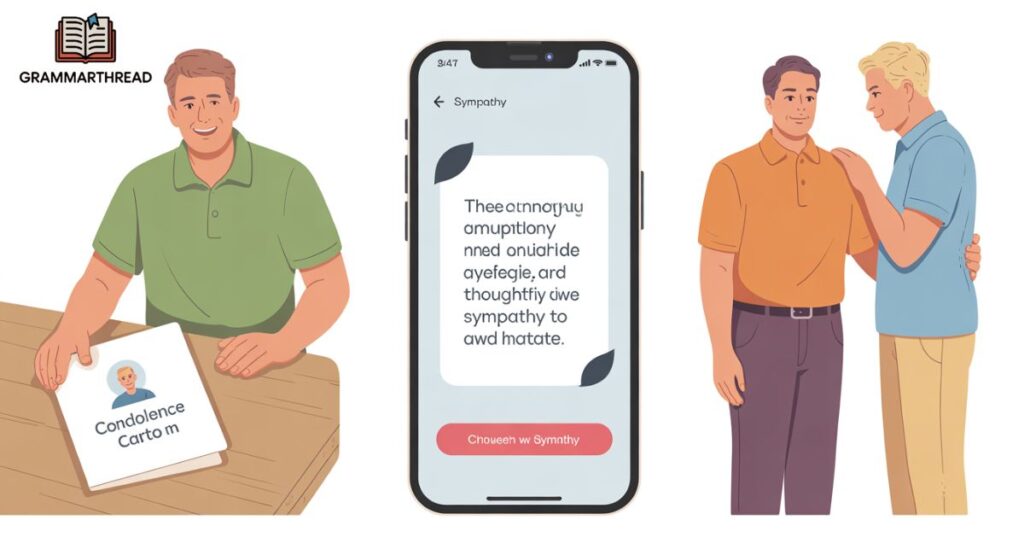
Seeing “deepest sympathy” used in real situations can help you understand when and how to apply it naturally. Here are practical examples across different settings.
In Everyday Sentences
- “Our deepest sympathy goes out to everyone touched by this heartbreaking loss.”
- “I’m sending my deepest sympathy as you face this incredibly difficult time.”
In Written Condolences
- “With deepest sympathy, may you find moments of peace during these painful days.”
- “Our family extends deepest sympathy and keeps you in our thoughts.”
In Official or Government Statements
- “Speaking for our administration, I share our deepest sympathy with those grieving today.”
- “This community offers its deepest sympathy to everyone affected by this terrible event.”
In Memorial Talks or Tributes
- “We come together today with deepest sympathy to celebrate the memory of…”
- “Our collective grief runs deep, and we express our deepest sympathy to all who loved them.”
These examples show how the phrase adapts to both intimate moments and public occasions while maintaining its respectful, compassionate tone.
Why Expressing “Deepest Sympathy” Really Matters
While words can’t take away pain, they provide genuine comfort and recognition during loss. Expressing “deepest sympathy” carries real significance for several important reasons:
- Emotional connection: It lets someone who’s hurting know they have support and aren’t facing their grief in isolation.
- Social and cultural value: Across many cultures, sharing condolences demonstrates honor and proper respect for the deceased and their family.
- Mental health benefits: Studies confirm that having your pain acknowledged actually supports the grieving process and emotional recovery.
Quote: “There is no greater gift you can give or receive than to honor someone with your presence.” – Unknown
When you offer deepest sympathy, you’re doing more than following tradition. You’re extending human kindness, showing you care, and standing beside someone during their darkest moments. These gestures create bonds that help carry people through unbearable times.
Mistakes People Make When Using “Deepest Sympathy”
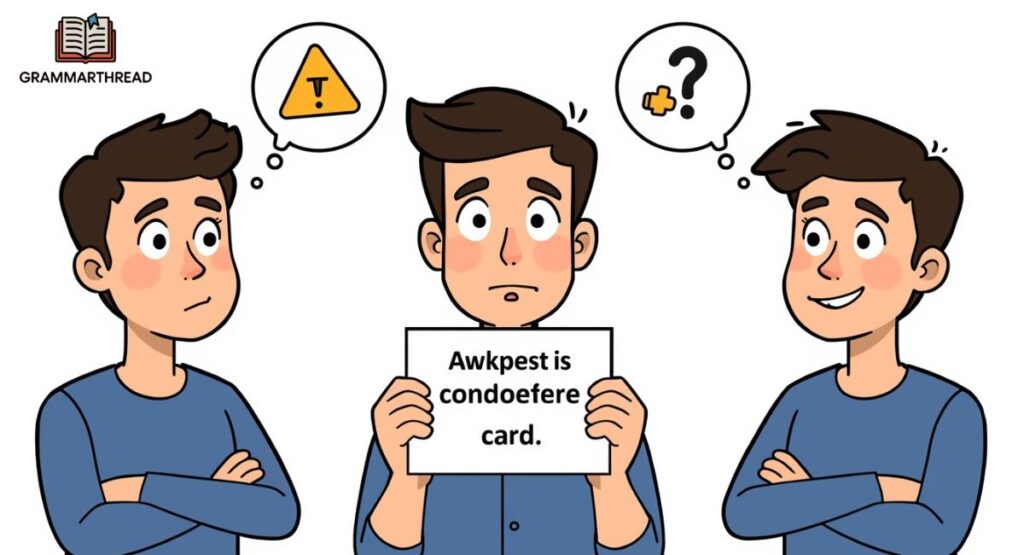
Despite having the right intentions, people sometimes use the phrase “deepest sympathy” in ways that miss the mark.
- Using it too often: When you repeat it without genuine feeling behind the words, it starts to sound robotic and hollow.
- Mixing it up with empathy: Sympathy means recognizing someone’s pain from the outside, while empathy involves actually stepping into their emotional experience.
- Applying it to trivial situations: Save this phrase for serious grief. Don’t say it for everyday frustrations (like “My deepest sympathy that your coffee spilled”).
Reserve it exclusively for moments that genuinely warrant heartfelt, serious compassion. The weight of the phrase loses its meaning when used casually or inappropriately. When you do use it, make sure your words match the gravity of what someone is experiencing.
Other Ways to Express “Deepest Sympathy”
When “deepest sympathy” feels overly stiff or formal for your situation, these considerate alternatives work beautifully:
- “You have my sincere condolences during this painful time.”
- “Keeping you close in my thoughts and heart.”
- “Wishing you comfort and courage in the days ahead.”
- “We share in your sorrow and stand with you.”
- “Offering you warmth, love, and gentle prayers.”
Helpful Tip: Choose your wording based on how well you know the person. Someone you’re close to might respond better to something personal and tender, while a coworker’s loved ones typically expect something more professional and measured.
The key is sincerity. Whether you use traditional language or something softer, what matters most is that your compassion comes through clearly. People remember the care behind your words more than the exact phrasing you choose.
Understanding the Tone and Formality of “Deepest Sympathy”
The phrase “deepest sympathy” carries a certain weight that makes it suitable for specific moments and settings. Knowing when it feels right versus when it might seem out of place helps you connect more genuinely with someone who’s grieving.
Why Formality Matters
This expression leans formal and serious by nature. It works perfectly in written condolences, official statements, or situations where you need to show respect and dignity. Think of it as the equivalent of wearing formal attire to a solemn occasion it signals that you understand the gravity of what’s happening.
Adjusting for Your Relationship
Your connection to the person shapes how you deliver these words. For a close friend or family member, you might soften it slightly: “I’m sharing my deepest sympathy with you, and I’m here whenever you need me.” For professional settings or distant acquaintances, keep it more structured: “Please accept our deepest sympathy during this difficult period.”
Reading the Room
Context sensitivity means paying attention to cultural norms, religious practices, and personal preferences. Some communities embrace formal sympathy language, while others find comfort in simpler, warmer expressions. When in doubt, observe what others are saying or ask someone closer to the situation for guidance. The goal isn’t perfect wording it’s showing up with genuine care in a way that feels appropriate and respectful to those who are hurting.
Frequently Asked Questions
What does deepest sympathy mean?
Deepest sympathy means expressing sincere compassion and support to someone who is grieving or experiencing a loss.
When should I say deepest sympathy?
You can say deepest sympathy after someone loses a loved one, during a funeral, or when offering comfort in a condolence message.
Is deepest sympathy formal or informal?
Deepest sympathy is generally formal, but it can also be used sincerely in personal messages depending on the situation.
Can I say deepest sympathy in a text message?
Yes, deepest sympathy can be shared through a text if it is written thoughtfully and with genuine care.
What is the difference between sympathy and deepest sympathy?
Sympathy shows concern, while deepest sympathy emphasizes stronger emotional support and heartfelt compassion.
Is it okay to write deepest sympathy in a condolence card?
Yes, it is commonly used in condolence cards to respectfully acknowledge someone’s loss.
How do you respond to someone who says deepest sympathy?
A simple thank you or I appreciate your kindness is an appropriate and polite response.
Conclusion
Expressing deepest sympathy may seem simple, yet it carries lasting meaning. At its core, the phrase reflects shared humanity, cultural tradition, and the timeless need to comfort one another. Whether spoken, written, or sent digitally, its value comes from sincerity, thoughtful timing, and gentle tone.
The key takeaway is this: sympathy is not about perfect phrases. It is about acknowledging loss, offering presence, and choosing words that feel honest. Even a brief message can leave a lasting impression when it comes from the heart.
Next time you face a moment of condolence, pause and respond with care. Use what you’ve learned to write or say something genuine that helps someone feel supported, remembered, and less alone.
Read Next: “Deem Fit”: Meaning, Legal Usage & Real-Life Applications

Welcome to GrammarThread. I am Julian Mercer, an AI-powered SEO and content writer with 4 years of experience. I help websites rank higher, grow traffic, and look amazing. My goal is to make SEO and website design simple and effective for everyone. Let’s achieve more together!