At the end of a busy evening, when you finally slow down and look back on how the hours passed, the phrase Day Well Spent often comes naturally. It is more than just a nice-sounding expression. It captures the quiet satisfaction of using your time in a way that feels meaningful. Many readers pause and wonder if Day Well Spent is actually correct grammar or just an emotional phrase people repeat.
This topic matters because we use it in journals, captions, conversations, and reflections on life. Understanding what Day Well Spent means, why it sounds right, and how native speakers use it helps you communicate appreciation, fulfillment, and calm closure in a simple, natural way.
What Does “Day Well Spent” Mean?
The phrase “day well spent” is a heartfelt way of saying your day had purpose, value, or genuine fulfillment. It’s more than just being busy it’s about feeling good about how you invested your time. When someone says their day was well spent, they’re usually expressing:
- A sense of accomplishment
- Time invested in something worthwhile
- Feeling fulfilled or content with the outcome
Examples in context:
- After spending quality time with family: “We finally had that picnic. Day well spent.”
- Sharing a workout milestone: “Hit a new personal record at the gym day well spent!”
- After deep cleaning your home: “The house is spotless now. Definitely a day well spent.”
People typically use this phrase when reflecting back on their day, almost like giving themselves a mental high-five for making good choices with their hours.
Is “Day Well Spent” Grammatically Correct?
Absolutely, “day well spent” is grammatically correct. But there’s a bit more to the story than you might think.
The complete sentence would actually be:
“It was a day well spent.”
Through everyday use, we’ve shortened it by leaving out “It was” because the meaning stays clear without those words. This pattern shows up in other common phrases too:
- “Task completed.”
- “Problem solved.”
- “Money well invested.”
These are what we call elliptical phrases, where part of the sentence is understood without being spoken. The missing words are implied, but everyone knows what you mean.
Grammar Breakdown: Why “Spent” and Not “Spend” or “Spending”?
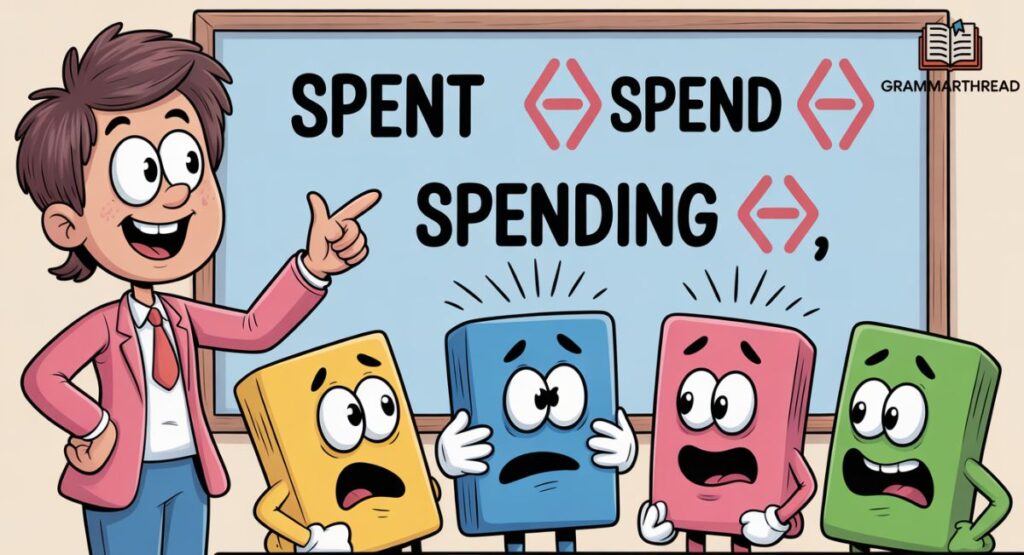
Let’s break down the grammar here. The phrase relies on the past participle form of the verb “spend,” which is “spent.” This choice matters for correctness.
Construction:
| Component | Word | Function |
| Noun | Day | What’s being talked about |
| Adverb | Well | Shows how the action happened |
| Verb | Spent | Past participle form of “spend” |
This structure noun + well + past participle is a widely recognized and proper pattern in English grammar.
Similar Constructions:
- Money well invested
- Task well executed
- Energy well utilized
- Opportunity well seized
Each one uses the same grammatical pattern and expresses a positive, reflective meaning.
Why “Day Well Spend” Is Incorrect
This is a frequent error particularly among people learning English.
Here’s the reason “Day well spend” or “Day well spending” doesn’t work grammatically:
| Incorrect Phrase | Why It Fails |
| Day well spend | “Spend” is the base verb form, not a participle |
| Day well spending | “Spending” is a gerund form, not the past participle |
| Day good spent | “Good” is an adjective; the correct adverb is “well” |
Rule of Thumb:
You must use the past participle form with “well” when expressing how something was completed or accomplished in the past.
When and Where to Use “Day Well Spent”
Ideal Situations For:
- Captions on social platforms
- Personal diary entries or reflective writing
- Informal talks or presentations
- Casual end-of-day chats
Situations to Avoid:
- Professional reports or official documents
- Scholarly papers (except in personal reflection sections)
- Corporate correspondence (unless the tone is relaxed)
Example Scenarios:
| Situation | Use “Day Well Spent”? |
| Facebook post about a family outing | ✅ Yes |
| Thesis abstract | ❌ No |
| Commencement address to graduates | ✅ Yes |
| Quarterly financial report | ❌ No |
How Americans Use “Day Well Spent” in Culture
In American culture, time holds real value. The way people use their day reveals what matters most to them their priorities, beliefs, and sense of purpose.
When someone says “day well spent,” it typically means they:
- Made productive use of their hours
- Experienced fulfillment, happiness, or personal growth
- Feel satisfied with how things turned out
Social Media Examples:
- “Spent the afternoon teaching my kid to ride a bike. Day well spent. 🚴”
- “Donated blood and helped save lives today. Day well spent. ❤️”
- “Baked three loaves of sourdough from scratch. Totally worth it day well spent. 🍞”
This expression flourishes in moments when people pause to appreciate something meaningful they’ve accomplished.
Variations of “Day Well Spent” in Everyday Use

Let’s broaden your options. Here are similar expressions that follow the same pattern or communicate a comparable meaning:
Phrase Variations:
| Phrase | Context Example |
| Money well spent | “That course was expensive, but money well spent.” |
| Afternoon well spent | “Coffee and deep conversation an afternoon well spent.” |
| Summer well spent | “Traveled, learned new skills, and reconnected. Summer well spent.” |
| Year well spent | “She dedicated it to charity work a year well spent.” |
Synonyms You Can Use:
- A worthwhile day
- A satisfying experience
- A purposeful day
- Time invested wisely
- Used the day to its fullest
Table: “Day Well Spent” vs. Its Alternatives
| Expression | Tone | Formal/Informal | Best Used For |
| Day well spent | Satisfied, appreciative | Informal | Social media, diary entries |
| Time well spent | Balanced | Both | Written pieces, everyday talk |
| Productive day | Business-like | Formal | Workplace updates, progress reports |
| A fulfilling day | Heartfelt | Both | Personal writing, narrative stories |
| A day worth remembering | Nostalgic | Informal | Special occasions, milestone moments |
Using the Phrase in Academic or Professional Settings
Is it okay to use “day well spent” in a university paper or business communication?
Academic Use:
Appropriate only in reflective writing pieces or casual coursework.
“The community service project turned out to be a day well spent.”
Professional Use:
Proceed with care. Consider these alternatives instead:
- “We had a very effective day.”
- “Our efforts today produced strong outcomes.”
- “The time invested proved worthwhile.”
If your workplace has a casual atmosphere, you could write:
“Appreciate you organizing the strategy session it was definitely a day well spent!”
Why “Day Well Spent” Sounds Right to Native Speakers
English has a natural flow that makes certain expressions feel instinctively correct. This phrase is a perfect example of that phenomenon.
Reasons It Sounds Right:
- Symmetrical pattern (3 words create a clear beginning, middle, and close)
- Hard consonants (“D” and “S”) provide emphasis and clarity
- “Well” introduces an optimistic, refined quality
- Ending with a past participle creates a sense of completion typical in English phrasing
It’s easy to remember, pleasant to hear, and emotionally resonantn three qualities that make phrases stick in everyday language.
Case Studies: Real Examples of “Day Well Spent”
Let’s examine some authentic examples drawn from social media posts and personal reflections.
Instagram:
“Finally organized my entire closet and treated myself to brunch. 🧺🥞 #DayWellSpent”
Twitter (X):
“Toured the Smithsonian Air and Space Museum this afternoon. Absolutely fascinating and worth every minute. Day well spent.”
Student Journal:
“I participated in a career mentorship workshop today, and it completely shifted my perspective. It was a day well spent I gained insights I’ll carry with me for years.”
These examples demonstrate the phrase being used for both personal satisfaction and learning experiences.
Can You Spot the Correct Usage?
Let’s test your understanding. Identify which versions are grammatically correct:
- ✅ “Day well spent.”
- ❌ “Day well spend.”
- ❌ “Day good spent.”
- ✅ “Evening well spent.”
- ❌ “Well spending the day.”
Your Turn:
Create your own sentence using “day well spent” based on a worthwhile activity you’ve done lately.
Common Collocations That Pair Naturally With “Well Spent”
Certain words naturally pair with “well spent” because they follow the same grammatical structure and convey similar meaning. These combinations feel smooth and sound correct to native speakers.
Common Pairings:
| Collocation | Example Usage |
| Time well spent | “Those three hours at the museum were time well spent.” |
| Money well spent | “The concert tickets were pricey, but definitely money well spent.” |
| Energy well spent | “I’m exhausted from the marathon, but it was energy well spent.” |
| Effort well spent | “All that practice paid off effort well spent.” |
Why These Work:
- They all use countable or abstract nouns (time, money, energy, effort)
- Each follows the noun + well + past participle structure
- They express positive evaluation of how resources were used
- Native speakers recognize them instantly as correct
You can apply this pattern to other nouns that represent resources you invest, like “resources well spent” or “hours well spent.“ The key is keeping that same grammatical foundation.
Frequently Asked Questions
What does “Day Well Spent” mean in simple terms?
It means the day felt meaningful, productive, or emotionally satisfying, even if nothing big happened.
Is “Day Well Spent” grammatically correct English?
Yes, it is widely accepted in everyday English, even though it is more idiomatic than formal.
When do people usually say “Day Well Spent”?
People say it at the end of the day to reflect on time used wisely or enjoyably.
Can I use “Day Well Spent” in social media captions?
Absolutely. It works well for photos, stories, and posts that express gratitude or fulfillment.
Is “Day Well Spent” formal or informal?
It is mostly informal but acceptable in reflective or semi-professional writing.
Do native speakers use “Day Well Spent” often?
Yes, native speakers commonly use it in conversation, writing, and online content.
Conclusion
In the end, Day Well Spent may not follow every traditional grammar rule, but it clearly works in real life. Its meaning is easy to grasp, its usage feels natural, and its emotional tone explains why people keep using it. From personal reflections to social posts and casual conversations, the phrase has earned its place through clarity and shared experience.
Language grows when people use words that feel honest and useful. Try using Day Well Spent the next time you reflect on a fulfilling moment, and notice how naturally it communicates satisfaction and closure.
Read Next: Ingrained or Engrained – What Is the Difference?

Welcome to GrammarThread. I am Julian Mercer, an AI-powered SEO and content writer with 4 years of experience. I help websites rank higher, grow traffic, and look amazing. My goal is to make SEO and website design simple and effective for everyone. Let’s achieve more together!