Have you ever felt curious about what is the opposite of claustrophobia? Maybe you know someone who loves wide open spaces or feels completely calm in vast areas. It can be confusing if you’re trying to understand the opposite of claustrophobia, especially when most information only explains the fear itself.
You might even wonder why some people thrive in open spaces while others feel uneasy. In this post, we’ll explain exactly what is the opposite of claustrophobia and how it differs from regular comfort in open areas.
You’ll learn the opposite of claustrophobia in simple terms and see examples that make it easy to understand. By the end, you’ll have clear insights and answers to all your questions about this interesting topic.
What is Claustrophobia?
Claustrophobia is an anxiety disorder characterized by a fear of confined or enclosed spaces. People with claustrophobia often feel intense panic, discomfort, or a sense of being trapped when they are in small areas, elevators, crowded rooms, or tight spaces.
This condition has roots in both psychological and physiological responses. The term comes from the Latin word claustrum, meaning “bolt” or “barrier,” combined with -phobia, meaning fear. Claustrophobia can develop in childhood or adulthood and is often triggered by a traumatic experience in a confined environment.
Key Features of Claustrophobia:
- Fear triggers: Elevators, small rooms, crowded areas, or windowless spaces.
- Physical symptoms: Rapid heartbeat, sweating, shortness of breath, trembling.
- Emotional impact: Intense anxiety, panic, or the urge to escape.
- Behavioral effects: Avoidance of enclosed spaces, which can affect daily routines.
For many, claustrophobia can range from mild discomfort to severe panic that disrupts normal life. Understanding these triggers and symptoms is the first step toward managing the fear, often through therapy, gradual exposure, or relaxation techniques.
The Effects of Claustrophobia
Claustrophobia can affect both the mind and body. People may experience anxiety disorder symptoms, like panic attacks, heart racing, or sweating, when they are in confined spaces. It can also cause emotional stress, making someone feel trapped, powerless, or overwhelmed.
Behaviorally, people often start avoiding elevators, crowded rooms, or small areas. This avoidance can interfere with work, social activities, or daily routines. Long-term effects may include persistent stress, a decrease in confidence, and a lower sense of psychological well-being.
What is the Opposite of Claustrophobia?
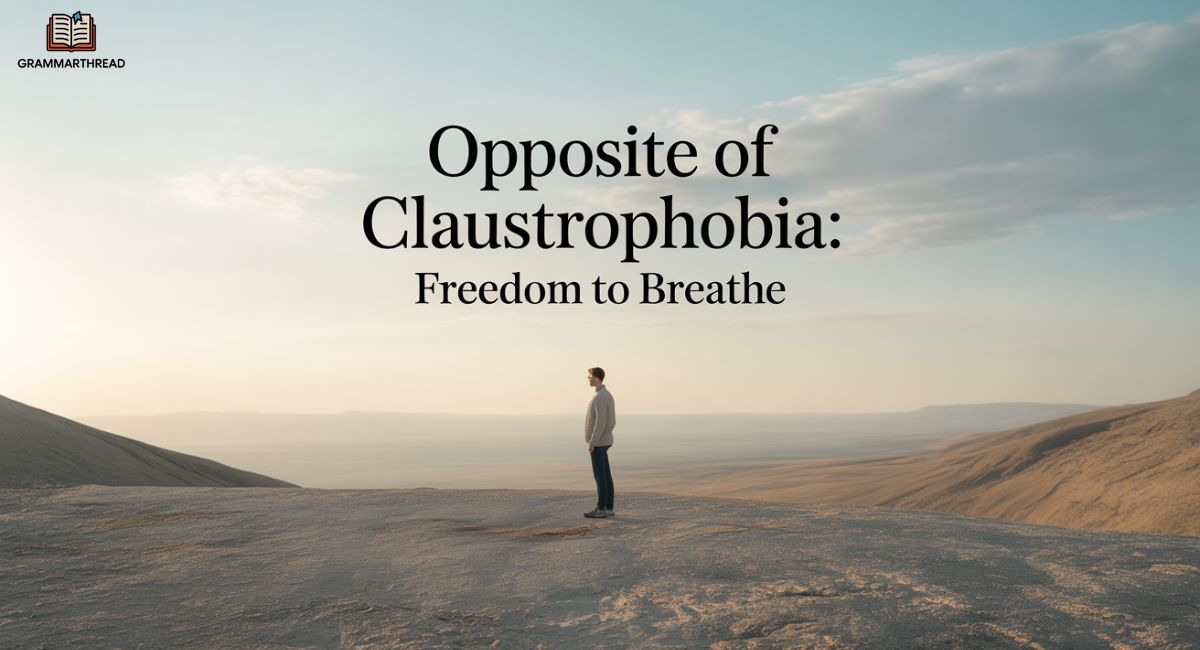
The opposite of claustrophobia describes a love or preference for open spaces and wide, unconfined areas. People with this tendency may feel calm, free, and energized in spacious environments like parks, open fields, or rooms with panoramic views. In psychological terms, this is often called agoraphilia, or an attraction to expansive, open areas.
This trait highlights how some individuals thrive in unconfined environments, enjoying freedom and room to move. Unlike claustrophobia, which triggers panic or stress, the opposite encourages relaxation, creativity, and even social interaction in large spaces.
Emotional Benefits of Loving Open Spaces
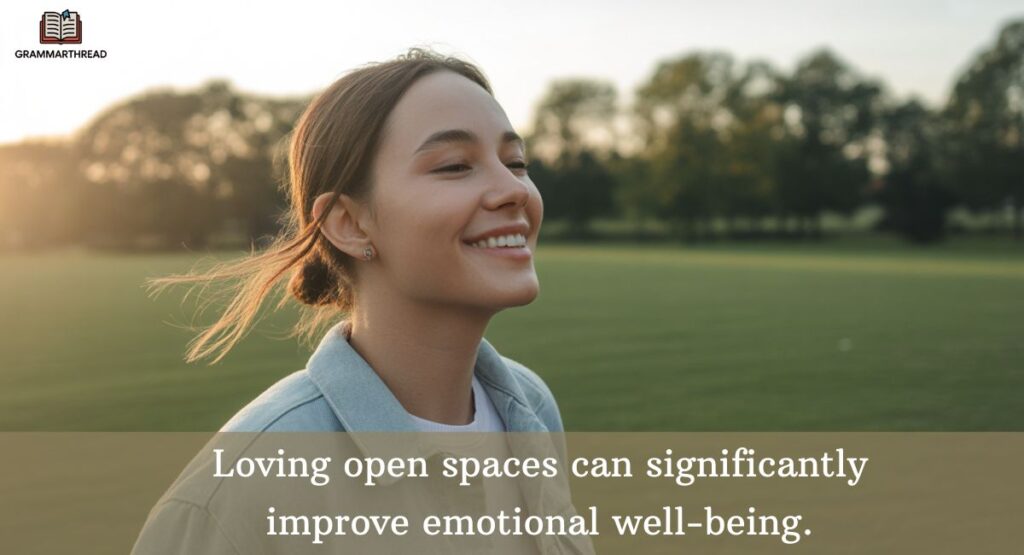
Loving open spaces can significantly improve emotional well-being. People who feel comfortable in wide-open areas often experience lower stress, reduced anxiety, and a sense of freedom. Open spaces encourage a spacious mindset, helping you think clearly, focus, and feel more relaxed.
Being in open areas can also boost mood and self-confidence. For example, spending time outdoors, walking in parks, or enjoying natural landscapes can reduce tension and promote overall mental and emotional health. This emotional benefit contrasts sharply with the fear and avoidance associated with claustrophobia.
Psychological Impact of Open Spaces
Open spaces can have a powerful effect on the mind. Being in wide-open areas or environments with natural light can reduce stress, calm the nervous system, and improve mental and emotional health. People often feel more focused, creative, and mentally refreshed when surrounded by spacious environments.
Psychologically, open areas encourage mindfulness and a sense of control. They help break the cycle of anxiety often triggered by confined spaces, offering a mental break and promoting psychological well-being. Over time, this can strengthen resilience and improve overall cognitive function.
Physical Benefits of Open Spaces
Being in open spaces isn’t just good for the mind; it benefits the body too. People often experience slower heart rates, easier breathing, and reduced physical symptoms of claustrophobia when they are in large, unconfined environments. Open spaces encourage movement, stretching, and fresh air, all of which support stress reduction and general health.
Regular exposure to expansive areas can also reduce muscle tension, improve posture, and lower the risk of panic symptoms triggered by tight or crowded spaces. Essentially, enjoying open environments contributes to both physical and psychological well-being.
Expansive Spaces and Freedom
Expansive spaces create a feeling of freedom that confined areas simply can’t offer. People who enjoy open-air environments often describe a sense of liberation, calmness, and energy. This feeling of unbounded space can enhance mood, inspire creativity, and boost overall life satisfaction.
Freedom in open spaces allows you to move without restriction, think without pressure, and relax naturally. Whether it’s a wide park, a large room, or a scenic landscape, these environments promote a spacious mindset and contrast sharply with the anxiety experienced in enclosed spaces.
Seeking Open and Freeing Environments
Many people actively seek open and freeing environments to feel calm and relaxed. Parks, wide rooms, and outdoor spaces allow individuals to escape the stress of confined areas and experience a sense of freedom. Incorporating open spaces into daily life can reduce anxiety and improve overall psychological well-being.
Simple habits, such as taking walks in nature, working near windows, or maintaining a clutter-free home, can make a significant difference. These practices encourage a spacious mindset, helping you think clearly, breathe easily, and feel less restricted.
The Psychology Behind the Desire for Openness
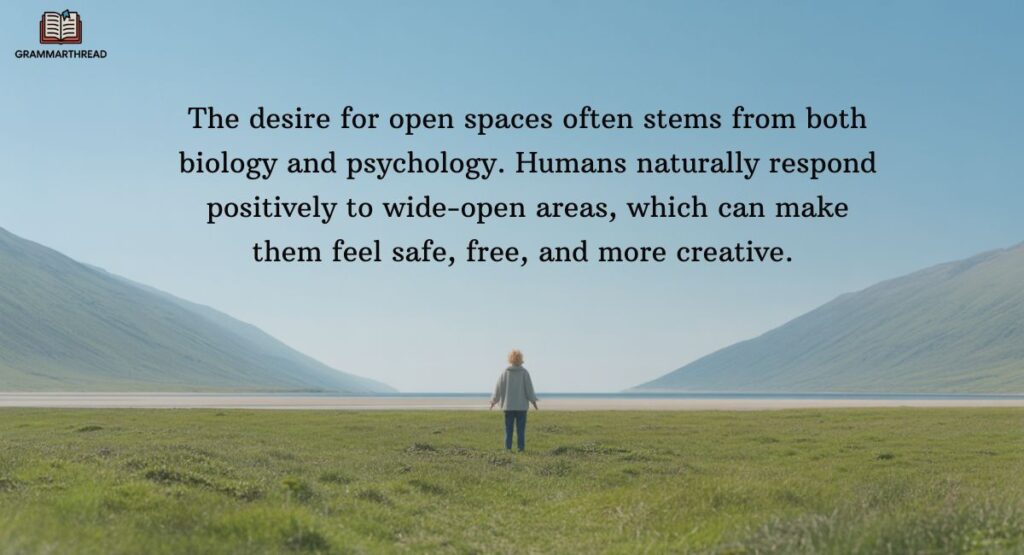
The desire for open spaces often stems from both biological and psychological factors. Humans naturally respond positively to wide-open areas, which can make them feel safe, free, and more creative. This contrasts with claustrophobic reactions, which trigger panic in tight spaces.
Psychologists note that people with a preference for openness often show increased mental and emotional health, better stress coping, and a higher sense of freedom. This love of open spaces may also encourage social interaction and mindfulness, promoting a balanced and relaxed state of mind.
How to Overcome Claustrophobia
Overcoming claustrophobia requires a mix of mental strategies and gradual exposure. Techniques like Cognitive Behavioral Therapy (CBT), relaxation exercises, and gradual exposure therapy can help reduce fear of confined spaces. Support from friends, family, or therapists also plays an important role in managing anxiety.
Practical steps include slowly facing confined spaces in safe environments, practicing deep breathing, and using calming techniques. With consistency, these methods can lessen panic attacks, improve confidence, and help you feel more comfortable in areas that once caused fear.
Creating Open Spaces for Yourself
You can bring the benefits of open spaces into your own environment. Removing clutter, arranging furniture to create more room, and adding natural light can transform a small area into a feeling of expansiveness. Open spaces at home or work reduce stress and enhance mental and emotional health.
Even small changes, like leaving windows open, using minimalistic decor, or spending more time outdoors, encourage a spacious mindset. By creating unconfined spaces for yourself, you can enjoy freedom, relaxation, and a sense of calm, making your daily life more comfortable and fulfilling.
Expanding Your Mindset Beyond Fear
Expanding your mindset beyond fear means learning to feel comfortable in spaces that once caused anxiety. Gradually exposing yourself to open and unconfined environments can help shift your perspective, making you more confident and relaxed. This approach strengthens mental and emotional health and encourages a spacious mindset.
Practices like mindfulness, deep breathing, and small steps toward confronting fear are effective. Over time, your mind adapts, and you can enjoy freedom, creativity, and calm even in situations that previously felt restrictive.
Opposite of Agoraphobia
Agoraphobia is a fear of open or public spaces, often causing avoidance of areas like parks, malls, or streets. The opposite of agoraphobia is a love for wide, open environments, where people feel energized, safe, and free in large areas. This trait is closely related to the opposite of claustrophobia and is sometimes called xenophilia or agoraphilia.
People with this preference enjoy exploring expansive environments and experience less stress or panic in public or open areas. Embracing open spaces can improve both psychological and emotional well-being, in contrast to the limiting effects of agoraphobia.
Claustrophobia vs Open-Space Love: Key Differences
Claustrophobia and open-space love represent opposite responses to the environment. Claustrophobia triggers panic, stress, and avoidance behavior in small or enclosed spaces, while people who love open spaces feel calm, free, and energized in large areas.
Key differences include:
- Emotional response: Anxiety vs. relaxation
- Behavioral patterns: Avoidance vs. seeking expansive areas
- Physical symptoms: Heart racing, sweating vs. calm and ease
- Psychological impact: Restriction vs. creativity, focus, and well-being
Understanding these differences can help you recognize your own tendencies and create environments that support mental and emotional health.
Frequently Asked Questions (FAQ’s)
What is the opposite of claustrophobia?
The opposite of claustrophobia describes a love for wide, open spaces where you feel calm and free. People with this trait enjoy unconfined areas and a spacious mindset daily.
What’s the difference between claustrophobia and cleithrophobia?
Claustrophobia is a fear of small spaces, while cleithrophobia is a fear of being physically trapped. The opposite of claustrophobia feels energized in wide-open areas, unlike both fears.
What is the fear of big open spaces?
The fear of big open spaces is called agoraphobia. The opposite of claustrophobia describes people who feel safe and happy in wide, expansive environments regularly.
What is the antonym of agoraphobia?
The antonym of agoraphobia is a love for open, public spaces. This opposite of claustrophobia personality enjoys freedom, open-air environments, and unconfined areas without stress or panic.
How can I tell if I have the opposite of claustrophobia?
You enjoy open areas, parks, and large rooms without stress, and you feel energized instead of anxious in spacious environments.
Is there a medical term for opposite of claustrophobia?
Yes, it is often called agoraphilia, which describes a strong preference for open, wide, and unconfined spaces.
Can the opposite of claustrophobia help with stress?
Yes, people who love open spaces often experience less stress, better focus, and a calmer mind.
Does opposite of claustrophobia affect mental health?
Absolutely, it promotes psychological well-being, a relaxed mindset, and a sense of freedom compared to confined spaces.
Conclusion
The opposite of claustrophobia shows a love for open spaces and freedom from confined areas. People who experience the opposite of claustrophobia feel calm, relaxed, and energized in wide-open areas.
Understanding what is the opposite of claustrophobia helps you see how some people enjoy spacious environments naturally. It contrasts sharply with the fear, stress, and panic caused by claustrophobia.
Living with the opposite of claustrophobia can improve mental health, reduce anxiety, and boost overall well-being. The opposite of claustrophobia encourages mindfulness, creativity, and a positive mindset.
By recognizing what is the opposite of claustrophobia, you can create environments that support calm, freedom, and happiness. Embracing the opposite of claustrophobia makes life more open and enjoyable.
Read Next: Opposite of Growth: 33 Antonyms Like Decline Explained

Welcome to GrammarThread. I am Julian Mercer, an AI-powered SEO and content writer with 4 years of experience. I help websites rank higher, grow traffic, and look amazing. My goal is to make SEO and website design simple and effective for everyone. Let’s achieve more together!