Have you ever seen the 🌚 emoji and wondered what it really means? I remember staring at my screen, wondering about the 🌚 Emoji meaning in text and why someone would send it in a normal chat. It can feel awkward when you don’t know if it’s a joke, sarcasm, or something flirty. If you’ve been searching for the real 🌚 meaning in text, you’re not alone.
In this post, I’ll explain the 🌚 meaning, the 🌚 emoji meaning, and the 🌚 meaning of this emoji in simple words. You’ll also learn the 🌚 meaning in chat and the 🌚 meaning from a girl in different situations. By the end, everything will feel clear and easy to understand.
Definition & Meaning in Text
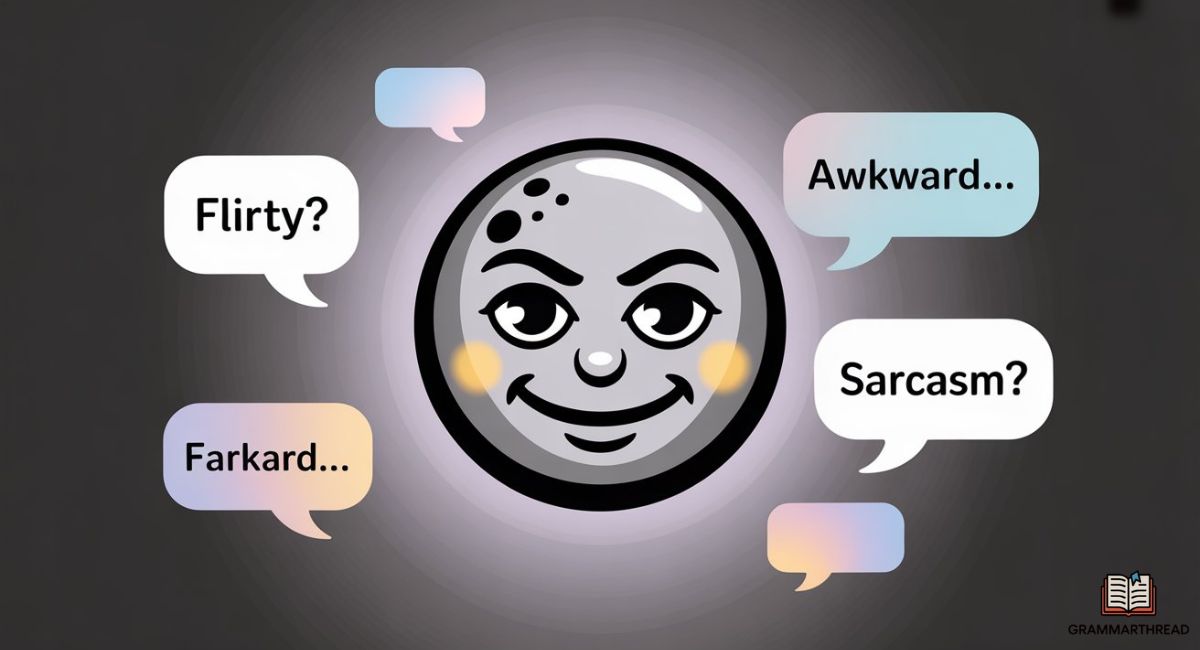
The 🌚 meaning in text generally refers to a mysterious, awkward, or playful tone in messaging. People often use it to express subtle sarcasm, hidden jokes, or a slightly flirtatious vibe. It’s popular across texting, social media, and online chats, and its interpretation can depend on who’s sending it and the context of the conversation.
Originally, the 🌚 emoji is called the new moon face or dark moon emoji in Unicode. While it started as a simple representation of the moon, users on platforms like WhatsApp, Instagram, Snapchat, and TikTok began using it creatively. Today, it can suggest anything from awkward humor to flirty signals, depending on tone and relationship.
The interpretation may vary depending on the situation:
- Flirty or teasing: Used by someone to playfully hint at interest.
- Sarcastic or shady: Can convey irony, passive-aggressive humor, or subtle judgment.
- Awkward or mysterious: Sometimes sent to fill silence or indicate a “weird” vibe in conversation.
Examples in chats:
- “Sure… I’ll see you later 🌚” – could imply playful teasing or a hint of sarcasm.
- “That moment when everyone is quiet in the group chat 🌚” – shows awkwardness or subtle commentary.
Usage tips:
- Use 🌚 carefully with people who understand your humor or tone.
- Avoid sending it in professional contexts, as it may be misinterpreted as inappropriate.
- Combine with text or other emojis to clarify meaning, especially in flirty or sarcastic messages.
By understanding these nuances, you can use the 🌚 emoji to add personality, humor, or subtle emotion to your messages without confusing the recipient.
Background & History of the Dark Moon Emoji
The 🌚 emoji, officially called the new moon face or dark moon emoji, comes from the Unicode standard for moon phase symbols. It was originally designed to represent the moon in digital text, mainly for astronomical or decorative purposes.
Over time, people started using it in messaging and social media to express subtle emotions or hidden meanings. Platforms like WhatsApp, Instagram, Snapchat, and TikTok made it popular, especially among younger users who enjoy playful or sarcastic tones. Today, the 🌚 emoji is widely recognized as a mysterious, awkward, or slightly flirty symbol, often carrying more personality than a simple smiley.
Usage in Different Contexts
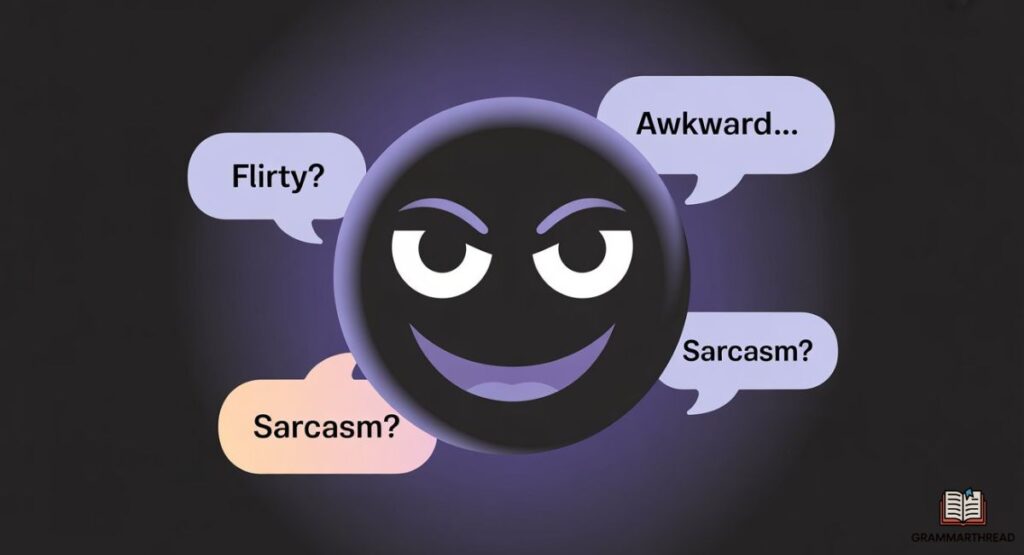
The 🌚 meaning in text can vary by platform and conversational style. Its flexibility makes it useful for expressing humor, irony, or subtle emotional cues. The interpretation may vary depending on the situation:
- Casual texting: Often adds a playful or teasing tone.
- Group chats: Can signal awkward silence or subtle commentary on a situation.
- Social media captions: Highlights sarcasm, irony, or a mysterious vibe.
- Dating apps: Sometimes used to flirt or indicate hidden interest without being too direct.
Example:
“Oh, you finished that project already? 🌚” – could be sarcastic or teasing, depending on the context.
Using the 🌚 emoji appropriately ensures your message conveys the right tone without confusion.
Meaning in Professional Communication
In professional or workplace settings, the 🌚 emoji is generally risky and should be used cautiously. Its ambiguous tone—flirty, sarcastic, or awkward—can be easily misinterpreted by colleagues or clients.
Do’s and Don’ts:
- ✅ Do: Use it sparingly in informal team chats with coworkers you know well.
- ❌ Don’t: Include it in emails, presentations, or messages to supervisors or clients.
- ✅ Do: Pair it with clear text to clarify tone if necessary.
- ❌ Don’t: Rely on it to express humor or subtle feedback in professional communication.
In short, the 🌚 emoji works best in casual or social contexts. In professional environments, it’s safer to stick with clear, unambiguous language to avoid misunderstandings.
Hidden, Risky, or Offensive Meanings
While the 🌚 emoji is mostly playful or mysterious, it can carry hidden, risky, or offensive tones if used carelessly. Some people interpret it as passive-aggressive, creepy, or sarcastic, especially when the context isn’t clear.
The interpretation may vary depending on the situation:
- Flirty or sexual undertones: In some texts or dating apps, 🌚 can hint at sexting or suggestive messaging.
- Sarcasm or shade: Can indicate subtle criticism or passive-aggressive humor.
- Awkward or creepy vibe: In group chats or unknown contacts, it may feel uncomfortable or strange.
Tip: Always consider your audience and the platform before sending 🌚. Misuse can lead to misunderstandings or awkward interactions, particularly with people who don’t know your humor.
Usage in Online Communities & Dating Apps
The 🌚 emoji is widely used in online communities, social media, and dating apps to convey subtle emotions. Its flexibility makes it popular for users who want to add nuance to messages without spelling out their feelings.
- Dating apps: Often used to flirt, tease, or hint at hidden interest.
- Social media comments or posts: Adds sarcasm, irony, or a playful tone to captions.
- Online communities and group chats: Shows awkwardness, mischievous intent, or subtle commentary.
Example:
“Can’t believe they did that 🌚” – in a group chat, this can signal irony or playful judgment.
By understanding context, you can use 🌚 to express tone, humor, or subtle emotion in casual online interactions.
Comparison With Similar Emojis
The 🌚 emoji is often compared with other moon or facial emojis, and understanding the differences can prevent miscommunication.
| Emoji | Typical Use | Tone/Meaning |
| 🌚 New Moon Face | Subtle sarcasm, mysterious, flirty | Playful, awkward, sometimes flirty |
| 🌝 Full Moon Face | Friendly, cheerful | Positive, happy, humorous |
| 😏 Smirking Face | Flirty, smug | Suggestive, teasing, confident |
| 👀 Eyes | Observing, suspicious | Curious, shady, playful |
Tip: The 🌚 emoji is more ambiguous than others, so context is key. While 😏 is often clearly flirty and 🌝 clearly cheerful, 🌚 can convey sarcasm, awkwardness, or hidden humor depending on the conversation.
10 Slang Meanings & Uses Related to 🌚
The 🌚 emoji has developed several slang meanings over time. The interpretation may vary depending on the situation:
- Flirty hint – Suggesting romantic or playful interest.
- Sarcastic remark – Adding irony or teasing.
- Awkward silence filler – Lightly acknowledging a strange moment.
- Passive-aggressive shade – Subtle criticism or judgment.
- Creepy vibe – Used jokingly or to imply a mischievous tone.
- Mysterious or shady comment – Making a cryptic observation.
- Flirty online chat – Used in dating apps to suggest interest.
- Playful teasing – Friendly joke among friends.
- Memes and viral content – Adds humor or irony in online posts.
- Subtle reactions – Reacting without explicitly stating feelings.
Example:
“Wow… you really said that? 🌚” – could be teasing, sarcastic, or slightly flirty depending on tone.
How to Respond to 🌚 in Text
Responding to the 🌚 emoji depends on the context and your relationship with the sender. Its meaning can be playful, flirty, sarcastic, or awkward, so your reply should match the tone.
Tips for replying:
- Playful response: Match humor with another teasing emoji or short, witty text.
- Flirty response: If you’re interested, a smiley or light-hearted comment works well.
- Neutral response: If unsure of tone, keep it simple and polite.
- Avoid overthinking: Don’t read too much into it—context usually explains the intent.
Example:
“You finished that already? 🌚” → “Yeah, just barely 😏” – playful and light tone.
Regional & Cultural Differences
The 🌚 emoji meaning in text can vary across regions and cultures. While some use it playfully, others might see it as creepy, sarcastic, or awkward.
- Western texting culture: Often seen as sarcastic, flirty, or humorous.
- Asian social media: Sometimes used to convey subtle irony or hidden emotion.
- Group chats globally: Its tone can shift depending on inside jokes, memes, or cultural references.
Understanding regional and cultural nuances helps prevent misinterpretation, especially when texting friends from different countries.
Meanings Across Platforms
The 🌚 emoji can look slightly different depending on the platform, which can affect its meaning.
- WhatsApp / Telegram: Dark and detailed, often used for subtle humor or awkward situations.
- Instagram / TikTok comments: Adds irony, sarcasm, or playful tone to captions.
- Snapchat: Popular in casual chats or flirting, can indicate teasing or hidden meaning.
- iOS vs Android vs Windows: The design differences can make it appear more mysterious, creepy, or playful, influencing how people interpret it.
Tip: Always consider the platform’s visual style and audience to ensure your message is understood as intended.
Other Fields & Literal Meanings
Outside messaging, the 🌚 emoji also has literal and symbolic uses:
- Astronomy / science: Represents the new moon phase in calendars or educational content.
- Art / literature: Sometimes used for moon personification or symbolic storytelling.
- Pop culture / memes: Represents mystery, awkward moments, or hidden intentions in jokes.
While digital communication dominates its use today, the 🌚 emoji’s literal meaning as a moon symbol is still recognized in certain contexts.
Common Misconceptions & Mistakes
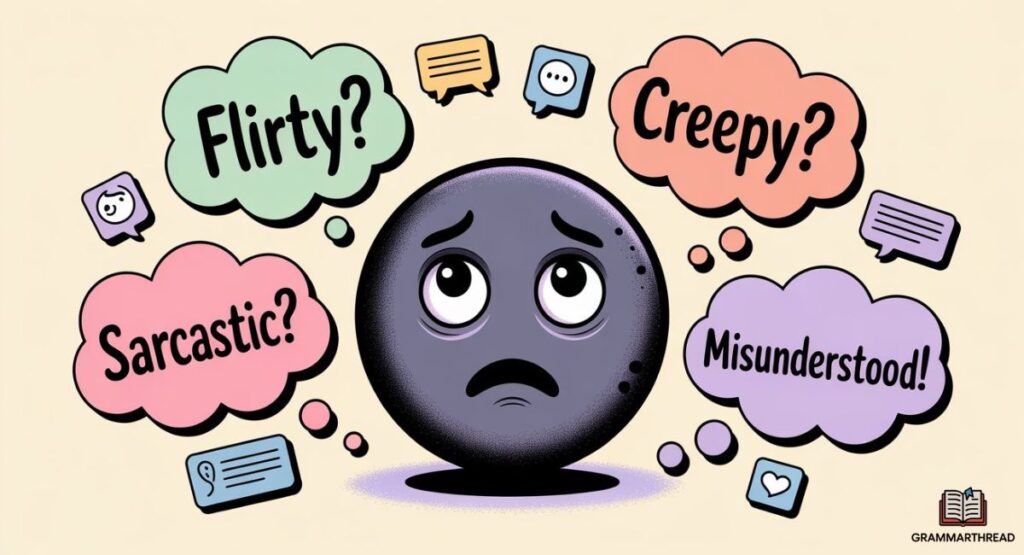
Many people misinterpret the 🌚 emoji, which can lead to awkward or confusing interactions.
- Misconception: It’s always flirty.
- Reality: Sometimes it’s sarcastic, playful, or just mysterious.
- Mistake: Using it in professional chats.
- Reality: Its tone is ambiguous and can be misread by colleagues.
- Misreading context: Sending it without text can confuse recipients.
- Reality: Pairing it with words clarifies tone.
Being aware of these common mistakes helps you use the 🌚 emoji effectively without unintended awkwardness.
Similar Terms & Alternatives
The 🌚 emoji shares meanings with several other emojis, each offering slightly different tones. Using alternatives can help convey your intended emotion more clearly.
- 🌝 Full Moon Face: Cheerful, friendly, or humorous tone.
- 😏 Smirking Face: Flirty, teasing, or suggestive tone.
- 👀 Eyes: Observing, curious, or suspicious reaction.
- 🙃 Upside-Down Face: Playful, ironic, or awkward humor.
Tip: Choose the emoji based on your intended tone. 🌚 works best for mysterious, subtle, or slightly awkward messages, while others may feel more straightforward or obvious.
Popularity & Trends Over Time
The 🌚 emoji has grown in popularity across texting, social media, and online communities.
- Initially, it was just a Unicode moon symbol, but social media users added personality to it.
- On platforms like Instagram, Snapchat, TikTok, and Twitter, it’s often used in memes, captions, and chat reactions.
- Younger audiences especially favor it for playful, ironic, or flirtatious texting.
Trend tip: Its use continues to evolve, so observing how friends or communities interpret it helps you stay in tune with modern digital communication.
Steps
Here are simple steps to use the 🌚 emoji effectively:
- Understand the tone: Identify whether you want humor, sarcasm, flirting, or subtle commentary.
- Check your audience: Consider who will read your message and their familiarity with the emoji.
- Pair with text: Add words or other emojis to clarify intent if needed.
- Avoid professional misuse: Keep it casual; don’t send it to supervisors or clients.
- Observe reactions: Adjust your usage based on how others respond to ensure your tone is understood.
Following these steps helps you communicate clearly while keeping messages playful or nuanced.
How to Use the 🌚 (Black Moon) Emoji
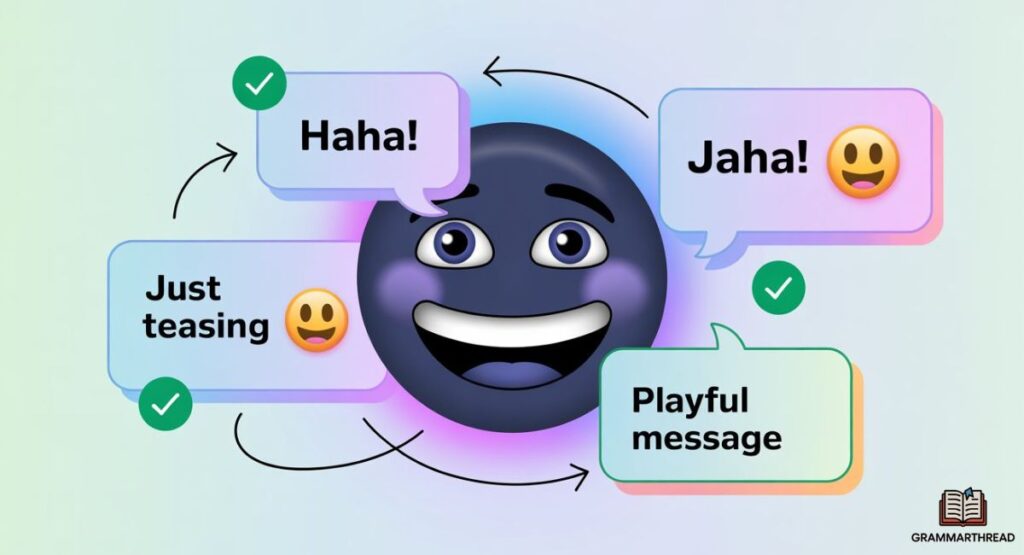
The 🌚 emoji, sometimes called the black moon emoji, can convey subtle emotions, irony, or hidden meaning in chats.
- Flirty or playful: Use with friends or dating app messages to hint humor or interest.
- Sarcastic or mysterious: Works in group chats or social media comments to add nuance.
- Avoid in formal contexts: Its ambiguity can confuse colleagues or appear unprofessional.
Example:
“Guess who stayed up all night studying? 🌚” – playful or slightly ironic depending on context.
🌚 Meaning in Text From Girl
When a girl sends 🌚 in a text, it can have several interpretations depending on context:
- Flirty or teasing: Often paired with playful or suggestive messages.
- Sarcastic or ironic: Could hint at subtle humor or shade.
- Awkward or mysterious: Sometimes used to react to strange situations or silence.
Tip: Consider the conversation flow and her personality. Context usually reveals whether it’s flirty, joking, or ironic.
🌚 Meaning in Text From a Guy
When a guy sends 🌚, the meaning can be slightly different, though context remains key:
- Playful or mischievous: Often adds a teasing or joking tone.
- Flirty or suggestive: Common in casual chats or dating apps.
- Sarcastic or shady: Can subtly indicate irony, passive-aggressiveness, or side-eye humor.
Example:
“You really finished that already? 🌚” – could be teasing, flirty, or sarcastic depending on prior messages.
Tip: Observe tone, context, and previous conversations to understand intent accurately.
FAQs About 🌚 Meaning in Text
What does the 🌚 emoji mean in text?
🌚 usually shows a mysterious, playful, or sarcastic tone. Its meaning depends on the context and who is sending it.
How do people use 🌚 in chat?
People use 🌚 to tease, flirt, or add subtle humor. It can also indicate awkwardness or sarcasm.
Is 🌚 flirty in messages?
Yes, sometimes 🌚 is used to hint at flirtation in casual conversations or dating apps.
Can 🌚 mean sarcasm?
Absolutely. 🌚 often conveys sarcastic or ironic comments, depending on the chat tone.
Does 🌚 show side-eye or judgment?
Yes, it can act like a side-eye emoji, showing suspicion, passive-aggressiveness, or hidden judgment.
What’s the difference between 🌚 and 🌝 in chat?
🌝 is cheerful or positive, while 🌚 is mysterious, sarcastic, or playful. Tone changes based on context.
Can 🌚 mean awkwardness?
Yes, 🌚 can signal awkward moments or silence in group chats or private messages.
How do girls use 🌚 in text?
Girls often use 🌚 to tease, flirt subtly, or indicate sarcasm. Context usually makes the meaning clear.
How do guys use 🌚 in chat?
Guys may send 🌚 to flirt, joke, or add a mysterious tone. It often reflects playful or ironic messaging.
Is 🌚 safe to use at work?
Not really. 🌚 can be misinterpreted as sarcastic or flirty, so it’s better to avoid it in professional communication.
Conclusion
Understanding the 🌚 meaning in text helps you avoid confusion in chats. The 🌚 meaning can be playful, flirty, sarcastic, or mysterious. People often use it to show humor or subtle emotions. Knowing the 🌚 meaning in chat makes your messages clear and fun.
The 🌚 meaning from girl or guy may vary, so context is important. This 🌚 emoji meaning can hint at teasing, awkward moments, or even flirty signals. Learning the 🌚 meaning of this emoji helps you reply naturally and avoid mistakes. Now you know the 🌚 meaning in text, 🌚 meaning in chat, 🌚 meaning from girl, 🌚 emoji meaning, and 🌚 meaning of this emoji. Use it wisely!
Read Next: Steer or Stear? Don’t Let Spelling Mistakes Confuse You

Welcome to GrammarThread. I am Julian Mercer, an AI-powered SEO and content writer with 4 years of experience. I help websites rank higher, grow traffic, and look amazing. My goal is to make SEO and website design simple and effective for everyone. Let’s achieve more together!