English spelling often causes confusion, especially when two words look almost the same. One common example is Hastle or Hassle, a mistake frequently seen in emails, essays, and online content. Many people assume both spellings are acceptable, but in standard English, only one of them is correct.
This distinction is more important than it seems. A single misspelling can interrupt the reader’s flow, lower the quality of your writing, and make your message feel less professional. Students, teachers, and working professionals all benefit from knowing the correct form, particularly in formal or academic settings.
In this guide, you will clearly understand what “hassle” means, why “hastle” appears so often, and how to avoid this error in everyday writing with confidence.
Understanding the Spelling: Hassle vs. Hastle
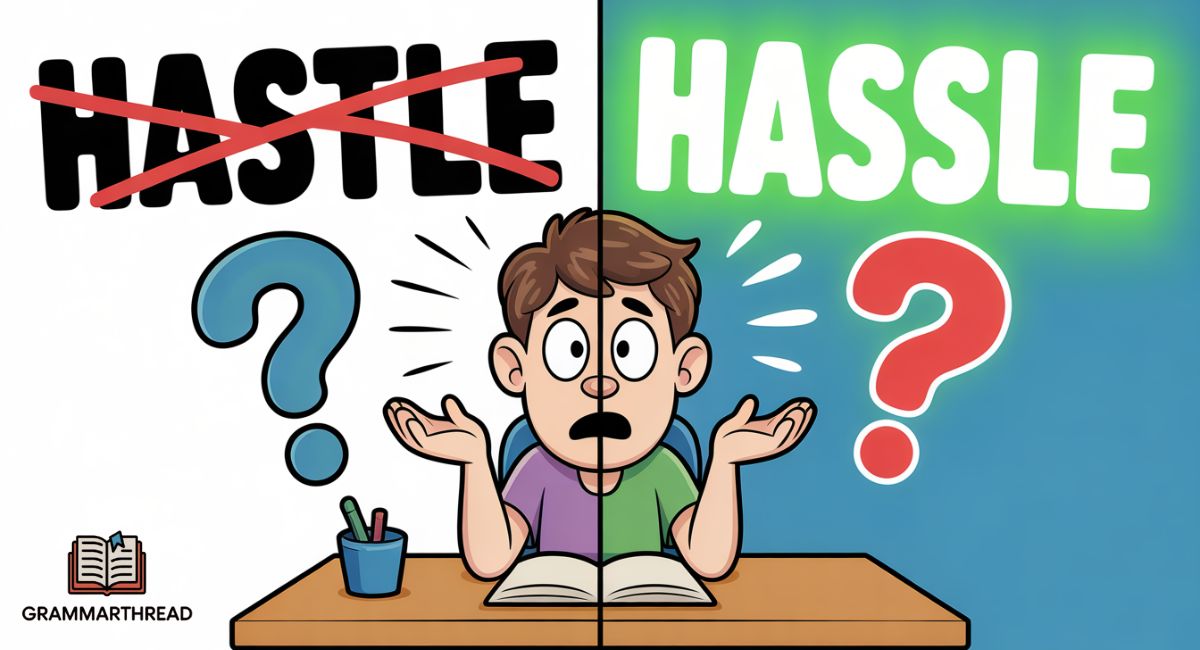
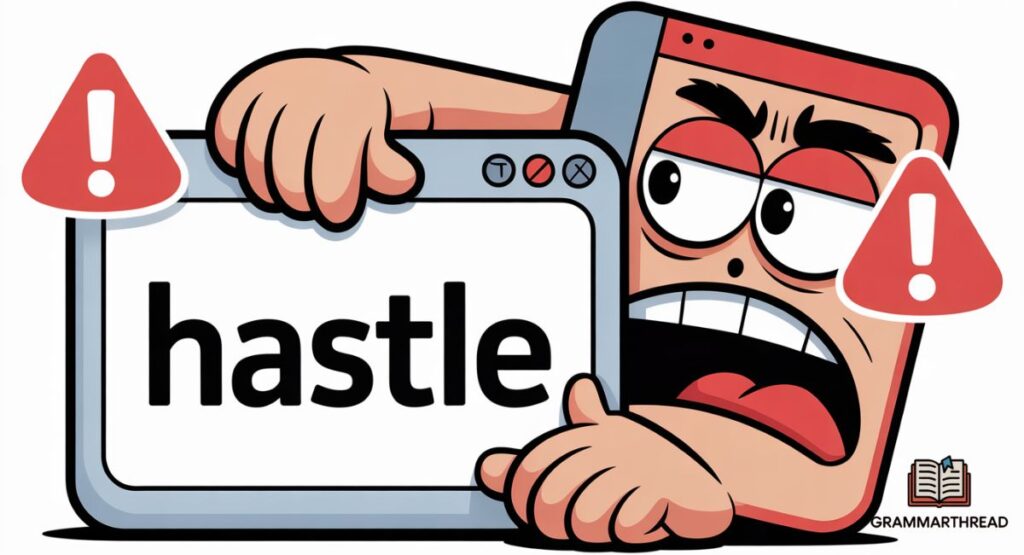
Let’s settle this once and for all: hassle is the only correct spelling, with two “s” letters in the middle. Writing it as “hastle” is a mistake. This confusion happens because hastle sounds right when you say it out loud, or because it looks like other words such as castle or hustle.
| Word | Correct? | Notes |
| Hassle | ✅ Yes | Standard English spelling; appears in all major dictionaries. |
| Hastle | ❌ No | Frequent misspelling; not found in any English dictionary. |
If you’re a student, confusing hassle with hastle can hurt your grades on assignments, tests, and formal emails. For educators and working professionals, getting the spelling right matters even more in documents, slide decks, and scholarly writing where precision counts.
The Meaning of “Hassle” in Everyday English
The word hassle serves double duty in English, functioning as both a noun and a verb. Knowing how it’s used in different situations helps you avoid common mistakes and sound more natural.
As a noun:
- Describes an annoyance, complication, or frustrating situation.
- Example: “Getting a refund without a receipt turned into such a hassle.”
As a verb:
- Means to pester, bug, or put pressure on someone repeatedly.
- Example: “Stop hassling me about cleaning my room I’ll do it later.”
Synonyms and Related Words
- Nuisance
- Bother
- Trouble
- Annoyance
- Inconvenience
The way you use hassle matters depending on your audience. In formal documents or business correspondence, swap it out for words like inconvenience or challenge to maintain a professional tone.
Usage of “Hassle” in Sentences
Seeing the word hassle in real examples helps you remember how to use it naturally. Here’s a breakdown to guide you:
Noun examples:
- “Finding parking downtown is always a hassle.”
- “Changing your flight at the last minute can be a major hassle.”
Verb examples:
- “Stop hassling your brother about his homework choices.”
- “He kept getting hassled by salespeople at the mall.”
Professional vs. Casual Usage
In everyday talk, hassle works great and sounds natural. But in business emails or formal papers, you might want to choose more polished alternatives:
| Context | Example | Suggested Alternative |
| Casual | “Finding a babysitter on short notice is such a hassle.” | — |
| Professional | “It’s a hassle to reschedule the meeting twice.” | “It’s an inconvenience to reschedule the meeting twice.” |
Etymology and Origin of “Hassle”
The word hassle comes with a fascinating backstory. It first appeared in American English during the early 1900s, probably formed by blending terms like haggle and tussle together.
As decades passed, its definition broadened to cover everyday frustrations and complications, not just physical conflicts. Knowing where it came from explains why hassle sounds conversational but remains perfectly acceptable in modern English.
Why Do People Spell It as “Hastle”?
Plenty of writers accidentally spell hassle as hastle. Here are the main reasons:
- Phonetic confusion: When you say the word out loud, the “s” sound blending into “l” makes it feel like there should be a “t” in there.
- Influence of similar words: Words like hustle or castle trick your brain into thinking hastle follows the same pattern.
- Autocorrect or quick typing: Smartphone keyboards and typing software occasionally suggest the wrong spelling based on how fast you type.
Understanding these common triggers helps learners and working professionals break the cycle of making the same error over and over.
Tips to Remember the Correct Spelling
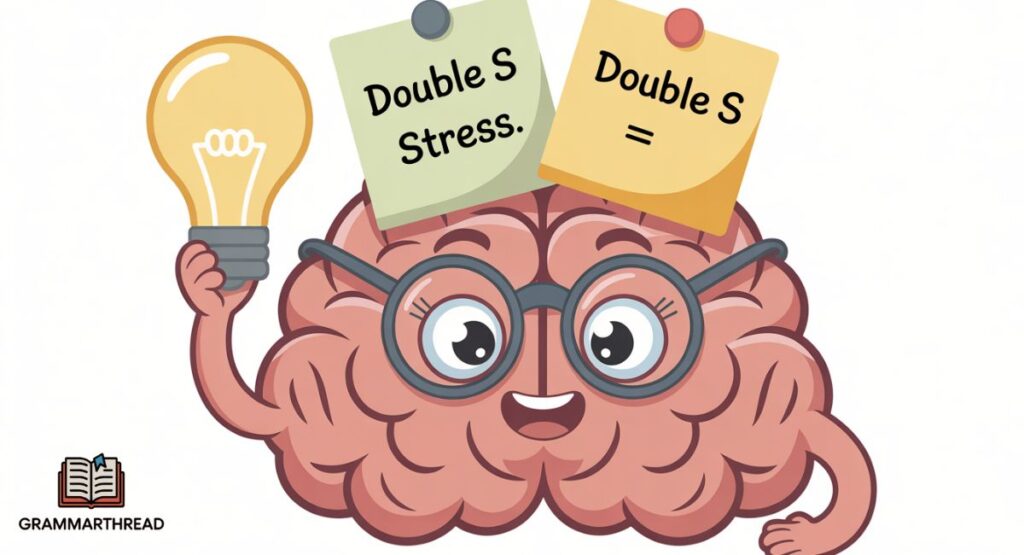
Here are simple strategies to memorize the proper hassle spelling for good:
- Mnemonic devices: “Hassle needs double ‘s’ just like stress it creates strain.”
- Visual memory trick: Picture the two “s” letters as tiny symbols representing pressure building up.
- Compare with other words: Think of words like pass, class, or address that also use double “s.”
- Write it often: Keep using it in your own sentences until your fingers remember the pattern automatically.
“Hassle” in American Culture and Media
The word hassle shows up constantly in films, television series, novels, and daily conversation. Here are some examples:
- “Stop hassling me, I’ve got things to do!” – frequently heard in comedy shows and informal exchanges.
- In literature, writers use it to describe small frustrations or irritations: “Finding parking near the stadium was always a hassle.”
- Common phrases include: • Hassle-free: smooth and easy, without any trouble • What a hassle!: showing annoyance or irritation
These everyday uses highlight why the word feels conversational yet universally understood.
Common Mistakes and Misconceptions
Despite being straightforward, errors with hassle still happen regularly:
- Confusing “hassle” with “hustle” – hustle refers to working energetically or moving fast.
- Using “hastle” in business documents – appears careless and grammatically wrong.
- Relying too much on “hassle” in formal or academic contexts – can sound too relaxed; consider using stronger alternatives.
Example:
- Incorrect: “Rescheduling the client meeting is a hassle for the team.”
- Correct: “Rescheduling the client meeting creates an inconvenience for the team.”
Alternatives to “Hassle” (Professional Writing Tips)
When writing in formal settings, try these substitutes instead of hassle:
| Context | Word Choice | Example |
| Academic | Obstacle | “The primary obstacle in the study was participant recruitment.” |
| Business | Inconvenience | “We apologize for the inconvenience resulting from the system downtime.” |
| General | Difficulty | “The updated platform creates some difficulties for first-time users.” |
Using these alternatives keeps your writing polished while maintaining clear communication.
How One Wrong Letter Changes Credibility in Writing
A single spelling mistake can damage how people view your work. When you write “hastle” instead of hassle, readers might question your attention to detail or professionalism, even if the rest of your content is solid.
This matters most in situations where first impressions count:
- Job applications and resumes – Hiring managers often dismiss candidates who make basic spelling errors, viewing them as careless.
- Academic papers and assignments – Professors notice these mistakes, and they can affect your grades or how seriously your research gets taken.
- Client emails and proposals – Business contacts expect polish in communication; small errors can make you seem less reliable.
Getting the spelling right shows you care about quality. It’s a small detail that signals bigger things about your work ethic and competence. When you consistently spell words correctly, people trust your message more and take you seriously as a writer or professional.
Quick Recap
Let’s review the key points about hassle:
- The only correct spelling is hassle, with two “s” letters.
- Hastle is wrong and should be avoided completely.
- It works as a noun (annoyance, complication) or verb (to bother or pester someone).
- Choose more formal substitutes when writing for business or academic audiences.
- Memory tricks and regular practice make the correct spelling stick.
Frequently Asked Questions
Is it spelled Hastle or Hassle?
The correct spelling is hassle. “Hastle” is a common mistake and is not accepted in standard English.
What does the word hassle mean?
“Hassle” means a problem, inconvenience, or situation that causes irritation or extra effort.
Is hastle a real English word?
No, hastle is not a real word. It does not appear in standard English dictionaries.
Why do people confuse hastle with hassle?
The confusion usually comes from pronunciation and typing habits, especially when writing quickly.
Can I use hastle in informal writing?
Even in informal writing, hastle is incorrect. You should always use “hassle.”
How do you use hassle in a sentence?
Example: Dealing with customer complaints can be a real hassle at work.
Is hassle used in American and British English?
Yes, hassle is correct in both American and British English with the same meaning.
Conclusion
To settle the confusion around Hastle or Hassle, the rule is simple. “Hassle” is the correct and accepted spelling, while “hastle” is just a common typing mistake. Knowing its meaning, background, and proper usage helps you avoid small errors that can weaken your writing.
Whether you are working on an exam, preparing lessons, or sending professional emails, correct spelling adds clarity and trust to your message. Make it a habit to pause and double-check words that look right but are not. Use what you have learned here and write with confidence every time.
Read Next: Mine as Well or Might as Well? Which Is Correct?

Welcome to GrammarThread. I am Julian Mercer, an AI-powered SEO and content writer with 4 years of experience. I help websites rank higher, grow traffic, and look amazing. My goal is to make SEO and website design simple and effective for everyone. Let’s achieve more together!