Many people search this topic out of pure curiosity. Others feel confused after hearing different answers online. I remember wondering what is the opposite of albino and realizing it is not explained clearly anywhere. That’s why understanding the Opposite of Albino feels more confusing than it should.
In this post, I’ll clearly explain the Opposite of Albino in simple words. You’ll learn how it applies to humans and nature, including opposite of albino animals and opposite of albino person examples. Everything is broken down easily. By the end, you’ll have a clear and confident answer.
What Does “Opposite of Albino” Mean?
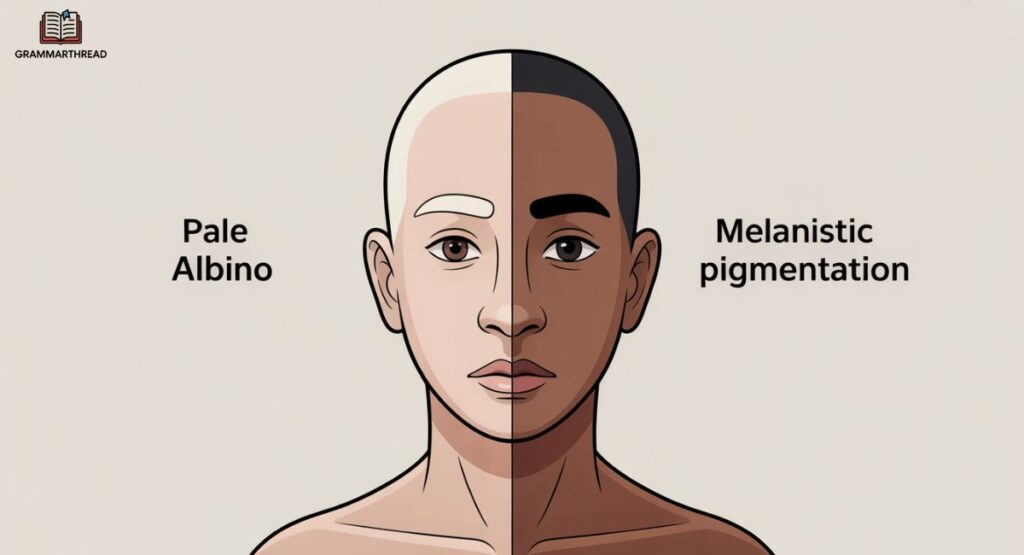
The term “Opposite of Albino” refers to an organism, human, or animal that has dark pigmentation instead of the pale or white features seen in albinism. It’s commonly used in biology, wildlife studies, and even casual discussions about genetics or skin color. Related terms include melanism, increased melanin, and genetic pigmentation.
In simple terms, albinism occurs when there is a lack of melanin, the pigment responsible for skin, fur, or eye color. The opposite of albino describes creatures or people with high melanin levels, resulting in darker skin, fur, feathers, or scales. Scientists often use this contrast to explain albinism vs melanism, especially when studying animals in the wild.
Key points to understand the concept:
- High Melanin Levels: Unlike albino individuals, the opposite of albino has abundant melanin.
- Natural Adaptation: Dark pigmentation can help with sunlight protection and camouflage in certain environments.
- Genetic Basis: Both albinism and its opposite are influenced by inherited genetic traits.
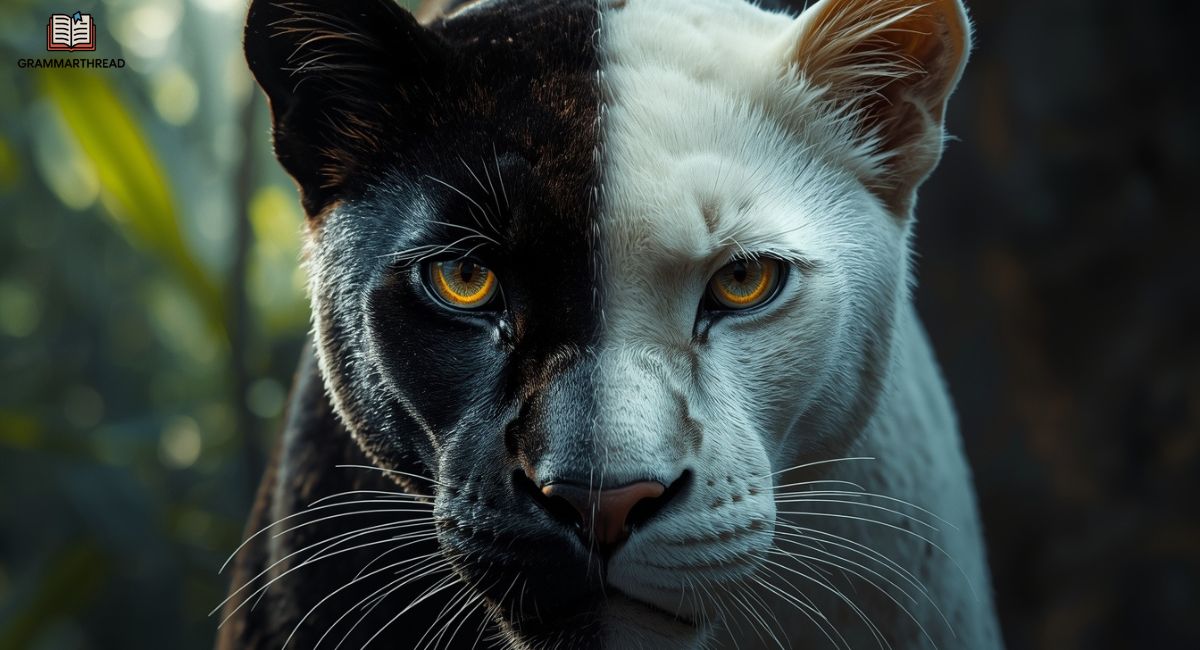
For example, in wildlife, a black panther is often cited as the opposite of albino because it displays melanism, which is the natural increase in dark pigments. Similarly, in humans, someone with very dark skin can be described as the opposite of an albino person, since their pigmentation is the biological contrast.
What Is Albinism in Animals?
Albinism in animals is a genetic condition where an animal lacks melanin, the pigment that gives color to skin, fur, feathers, or scales. Animals with albinism often have white or pale-colored bodies and pink or red eyes due to the visibility of blood vessels.
This condition occurs because of recessive genes that reduce melanin production. Albinism can appear in many species, including mammals, birds, reptiles, and amphibians. In wildlife, albino animals may face vision problems, sunlight sensitivity, and camouflage challenges, which can make survival harder.
Examples of albinism in animals:
- White rabbits with red eyes
- Albino snakes or lizards
- Birds with pale feathers
Albinism is rare, but it is an important part of understanding genetic pigmentation disorders and animal diversity in nature.
What Is the Opposite of Albino in Nature?
The opposite of albino in nature refers to animals with high melanin levels, resulting in dark-colored fur, skin, or feathers. This condition is often called melanism, which is the natural contrast to albinism. Animals with melanism are the biological “opposite” because they have increased pigmentation instead of a lack of it.
Dark pigmentation can provide several advantages:
- Camouflage in natural habitats, helping avoid predators
- Protection from ultraviolet light exposure
- Sometimes better thermoregulation in certain climates
For example, a black jaguar or black squirrel is considered the opposite of albino, as their dark pigmentation is inherited genetically and contrasts sharply with pale or white variants.
Opposite of Albino Animals
Opposite of albino animals are those that show melanism or dark pigmentation. Unlike albino animals, which lack melanin, these animals have abundant pigment that affects their skin, fur, feathers, or scales.
Examples include:
- Black panthers (melanistic leopards or jaguars)
- Dark-coated squirrels or rabbits
- Birds like ravens with solid black feathers
These animals are easier to spot in studies of genetic diversity because the contrast highlights how albinism vs melanism affects appearance. In wildlife, the opposite of albino is often seen as a natural adaptation, helping animals survive better through camouflage or protection from sunlight.
Opposite of Albino Person
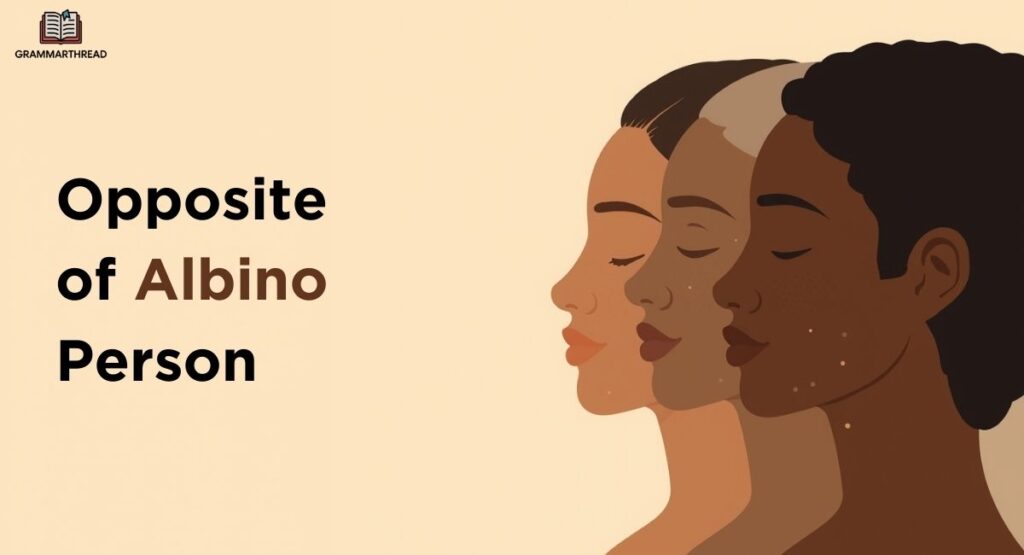
When we talk about the opposite of an albino person, we mean someone with naturally high melanin levels. Unlike albino individuals, who have very light skin, hair, and eye color due to a genetic lack of melanin, the opposite person has darker skin, hair, and eyes.
This contrast is entirely biological. Melanin protects the skin from UV damage and gives natural pigmentation that varies across people. In everyday terms, calling someone the opposite of albino highlights the genetic pigmentation differences rather than being a value judgment.
Example:
- Albino person: very pale skin and light eyes
- Opposite of albino: dark skin, dark eyes, and full pigmentation
Understanding this helps explain human genetic diversity and why pigmentation varies so much around the world.
What Is Melanism?
Melanism is a natural condition where an animal or person has excessive dark pigmentation due to high melanin levels. It is the biological opposite of albinism, which is defined by a lack of pigment. Melanism occurs in mammals, birds, reptiles, and insects.
Animals with melanism often have black or dark-colored fur, skin, or scales, which can provide camouflage, protection from sunlight, and sometimes improved survival. Scientists study melanism alongside albinism to understand genetic mutations and natural adaptations in wildlife.
Key points about melanism:
- Dark pigmentation is inherited genetically
- Provides environmental and survival advantages
- Often mistaken for simply “black animals,” but it is a specific genetic trait
How Melanism Is the True Opposite of Albinism
Melanism is considered the true opposite of albinism because it represents maximum pigmentation, while albinism represents minimal or no pigmentation. In other words, albinism = lack of melanin, and melanism = excess melanin.
This contrast is seen in both humans and animals:
- A black panther (melanistic leopard) vs an albino leopard
- Dark-skinned humans vs albino humans
The difference isn’t just cosmetic; it also affects adaptations, sunlight sensitivity, camouflage, and survival. Understanding this helps explain albinism vs melanism in nature and highlights the role of genetic pigmentation in shaping appearance.
What Is Leucism and How Is It Different from Albinism?
Leucism is a genetic condition that causes partial loss of pigmentation in animals. Unlike albinism, which results in complete lack of melanin and pink or red eyes, leucistic animals may have normal-colored eyes but lighter skin, fur, feathers, or scales.
Leucism is often seen in birds, reptiles, and mammals. It is not the complete opposite of albino, but it creates patchy white features or muted coloration while still allowing some melanin production. This subtle difference is important for understanding animal pigmentation conditions and wildlife genetics.
Leucism vs Albinism vs Melanism
These three conditions represent different pigmentation variations in nature:
| Condition | Pigmentation | Eye Color | Example |
| Albinism | No melanin | Pink or red | Albino rabbit |
| Leucism | Partial or patchy melanin | Normal | White peacock with normal eyes |
| Melanism | Excess melanin | Dark | Black panther |
The comparison shows how albinism vs melanism vs leucism affects appearance and survival. Albinism results in extreme lightness, melanism in extreme darkness, and leucism in between, often creating unique patterns in wildlife.
How to Tell If an Animal Is Albino or Melanistic
Identifying whether an animal is albino or melanistic is usually straightforward if you know what to look for:
- Albino Animals:
- Completely white or pale body
- Pink or red eyes
- Sensitive to sunlight and more vulnerable to predators
- Melanistic Animals:
- Dark or black-colored fur, feathers, or scales
- Dark eyes
- Often better camouflaged and adapted to their environment
Looking closely at eye color, pigmentation levels, and natural adaptations can help you quickly differentiate. Understanding these traits is crucial for studying wildlife pigmentation, genetic diversity, and survival adaptations.
What Animals Can Be Albino or Melanistic?
Many animals can display either albinism or melanism, depending on their genetic makeup. These traits appear across mammals, birds, reptiles, and even amphibians.
Examples include:
- Mammals: rabbits, squirrels, jaguars, leopards
- Birds: peacocks, owls, pigeons
- Reptiles: snakes, lizards, turtles
- Amphibians: frogs and salamanders
Studying these animals helps scientists understand genetic pigmentation, wildlife diversity, and adaptations. Observing the contrast between albino animals and melanistic animals highlights how melanin affects survival and appearance in nature.
Is Life Harder for Animals With Albinism?
Yes, life can be more challenging for albino animals. Because they lack melanin, they often face sunlight sensitivity, making them prone to sunburn or skin damage.
Other challenges include:
- Vision problems due to the lack of pigment in eyes
- Poor camouflage, which makes them more vulnerable to predators
- Difficulty in mating, since their pale color may stand out
These factors mean albino animals often need extra protection in the wild, and their survival can be lower compared to normally pigmented or melanistic animals.
Are Melanistic Animals More Likely to Survive?
In many cases, melanistic animals have survival advantages over albino or lightly pigmented counterparts. Their dark pigmentation provides excellent camouflage, helping them hide from predators and sneak up on prey.
Other benefits include:
- Protection from sunlight, reducing UV damage
- Better heat absorption in colder environments
- Often higher success in mating and reproduction because they blend naturally into their surroundings
However, the advantage depends on the environment. For example, a melanistic animal may stand out in snowy habitats. Overall, melanism can be a strong adaptive trait, making these animals more likely to survive in habitats that favor darker pigmentation.
Why Pigmentation Differences Matter in Wildlife
Pigmentation differences play a crucial role in wildlife survival and adaptation. The amount of melanin an animal has affects camouflage, protection from sunlight, and predator-prey interactions.
For example:
- Albino animals are more visible, making them easier targets for predators.
- Melanistic animals blend into darker environments, improving their chances of hunting or hiding.
Studying these differences helps scientists understand genetic diversity, evolutionary adaptations, and environmental influences. Pigmentation is more than appearance; it affects health, behavior, and survival in the wild.
Examples of Animals That Show the Opposite of Albino
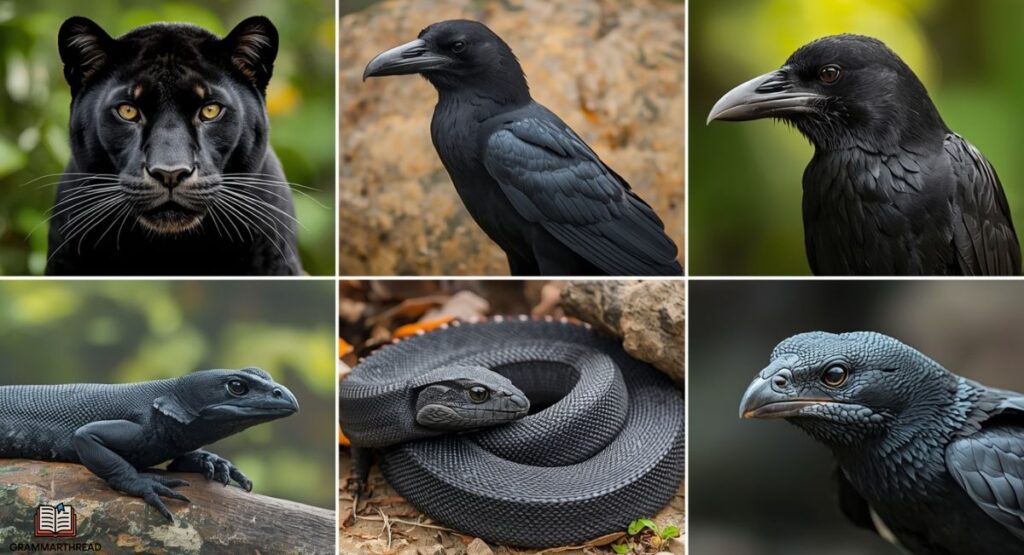
Many animals naturally display traits that are the opposite of albino, showing high melanin levels instead of lacking pigment.
Common examples include:
- Black panther (melanistic leopard or jaguar)
- Dark-coated squirrels
- Ravens and blackbirds with fully dark feathers
- Dark frogs or reptiles with increased pigmentation
These examples highlight the contrast between albino animals and their melanistic counterparts. Observing these differences illustrates how genetics shapes appearance and adaptation in nature.
Albino vs Melanistic Animals: Visual Differences
Visual differences between albino and melanistic animals are striking and easy to identify:
| Feature | Albino Animals | Melanistic Animals |
| Body Color | White or pale | Black or very dark |
| Eye Color | Pink or red | Dark brown or black |
| Sunlight Sensitivity | High | Low |
| Camouflage | Poor | Excellent |
| Examples | Albino rabbit, albino snake | Black panther, melanistic squirrel |
This comparison helps quickly distinguish pigmentation types. It also reinforces the concept of albinism vs melanism, showing how genetics and melanin production affect an animal’s appearance and survival.
Frequently Asked Questions (FAQ’s)
What is the opposite of albino?
The Opposite of Albino refers to animals or humans with dark pigmentation instead of lacking melanin. It shows high melanin levels, natural coloration, and genetic contrast to albinism.
What is rarer, albino or melanistic?
Albino animals are generally rarer than those showing the Opposite of Albino. Melanistic traits occur more often in nature due to survival advantages and adaptive dark pigmentation.
Can humans have melanism?
Yes, humans can have traits similar to the Opposite of Albino. High melanin levels in skin, hair, and eyes reflect natural variation and are the human version of melanism.
Is reverse albino a thing?
Reverse albino is another way to describe the Opposite of Albino. It refers to individuals or animals with dark pigmentation instead of the pale appearance seen in albinism.
What are the 7 types of albino?
Albinism has several types, each affecting pigmentation differently. The Opposite of Albino represents the dark-melanin counterpart, highlighting genetic contrasts between various albino forms.
What is amelanism?
Amelanism is the complete lack of melanin in skin, hair, or eyes. The Opposite of Albino is its natural counterpart, showing full dark pigmentation and normal melanin production.
Conclusion
In simple terms, the Opposite of Albino is any animal or person with dark pigmentation instead of a lack of melanin. It shows how melanin levels can vary in humans and wildlife. When we look at opposite of albino animals, we see creatures with dark fur, feathers, or scales.
These animals contrast sharply with albino counterparts. Similarly, an opposite of albino person has naturally dark skin, hair, and eyes. Understanding this helps explain what is the opposite of albino in nature and in people.
Studying the Opposite of Albino shows the beauty of genetic diversity. It highlights how environment, adaptation, and inheritance shape appearance. From opposite of albino animals to humans, this contrast is striking. R
ecognizing the opposite of albino person or animal helps us learn about survival, adaptation, and natural pigmentation in a clear, simple way.
Read Next: Opposite of Claustrophobia: Understanding the Love for Open Spaces

Welcome to GrammarThread. I am Julian Mercer, an AI-powered SEO and content writer with 4 years of experience. I help websites rank higher, grow traffic, and look amazing. My goal is to make SEO and website design simple and effective for everyone. Let’s achieve more together!